Timeless pieces. No logos. No noise.

Build Your Wardrobe from What You Already Own
Audit your existing wardrobe ruthlessly, identify your 12-piece foundation, and fill gaps slowly with quality pieces. A smaller, intentional closet works better than a large one filled with mistakes.
In this article9 sections
- Start by taking inventory: honesty matters more than optimism
- Identify the gaps in your 12-piece foundation
- Distinguish between keepers and mistakes
- Map colors and textures to build cohesion
- Spot the pieces worth investing in next
- Build outfit combinations before you buy
- Establish a refresh rhythm that respects your pace
- Use clothing as a language of decision
- Frequently asked questions
Start by taking inventory: honesty matters more than optimism
Most people own far more than they wear. The closet fills with impulse buys, forgotten gifts, pieces that almost fit, colors that looked good in the shop but clash with everything at home. Before you add a single new item, you need to see what is actually there.
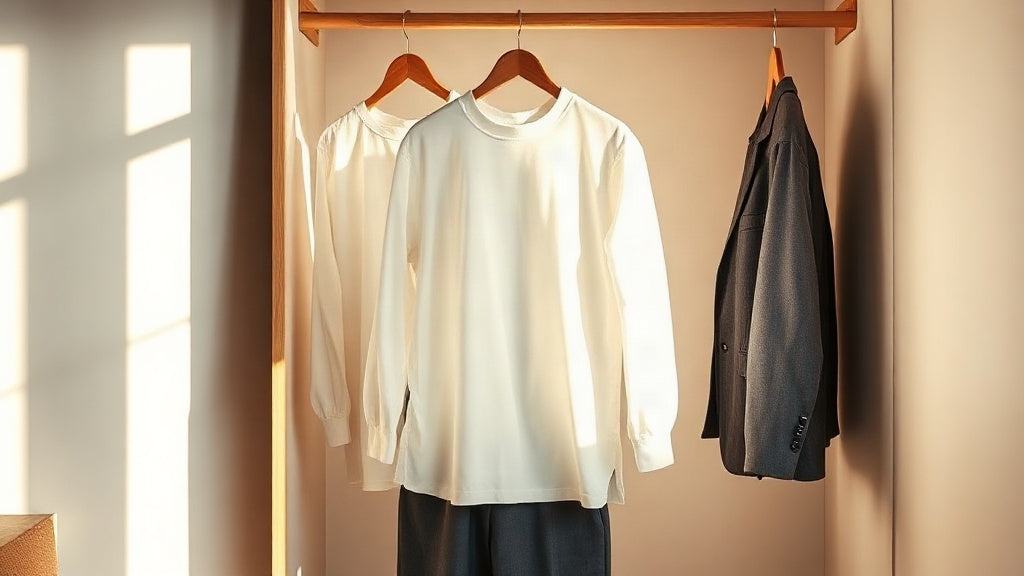
Take everything out. Not in theory; physically remove every garment from the closet and lay it where you can see it. This takes an afternoon but saves months of confusion later. As you handle each piece, ask three questions: Does this fit my body now? Have I worn it in the past year? Does it work with at least two other things I own?

The pieces that answer yes to all three stay. They form the spine of your wardrobe. Set them aside in a designated area. The others move to a donation box. This isn’t cruelty; it’s clarity. An unworn sweater takes mental energy every time you open the closet. Removing it gives you space to think.
There is a useful observation from writers at Permanent Style and FT How To Spend It who have documented their own wardrobe frameworks: the editors who dress most consistently well own the fewest pieces. This is not poverty of imagination. It is editing as a skill, applied to one’s own closet the way a good art director applies it to a page. The abundance of options in a crowded wardrobe is, paradoxically, the enemy of looking well-dressed.
Identify the gaps in your 12-piece foundation
Once you have separated the keepers, lay them out by category: tops, trousers, skirts, dresses, outerwear, shoes. Look for patterns. Most people discover they have too many similar items and not enough basics to create variety.
A workable foundation wardrobe consists of 12 core pieces that mix and match freely. Not a rule carved in stone, but a useful framework. These are the items you wear again and again because they fit well, suit your lifestyle, and coordinate with nearly everything else.
- Two pairs of well-fitting trousers (one neutral, one seasonal)
- One structured jacket or blazer
- Three neutral tops (white shirt, cream knit, grey t-shirt)
- Two patterned or textured tops (stripes, subtle print)
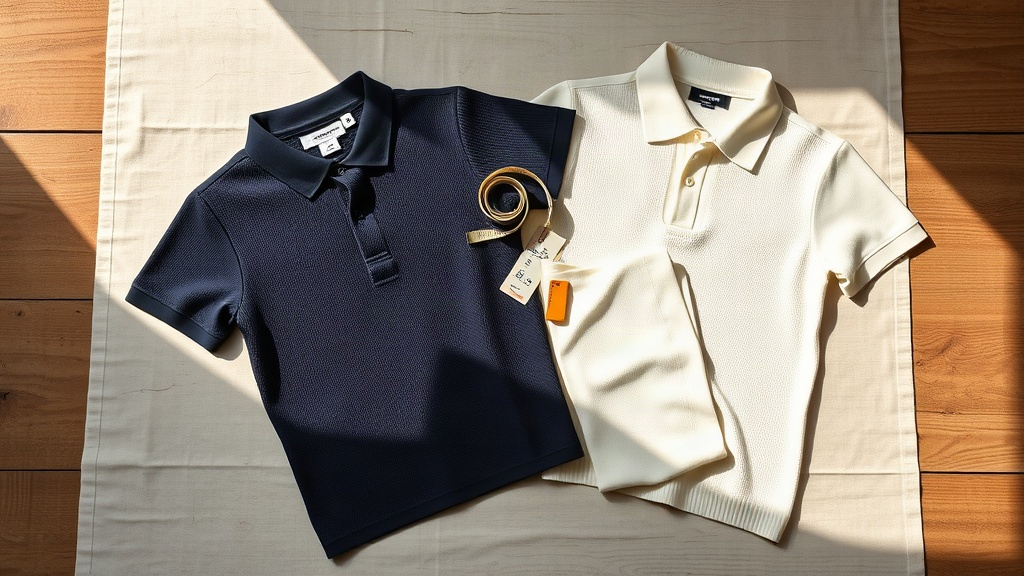
- One elevated casual piece (linen shirt, fine knit polo)
- Two pairs of shoes that work across seasons (loafer, flat boot, oxford)
- One pair of warm-weather shoes
- Outerwear suited to your climate
This list adapts to geography, work environment, and body. Someone in a warm climate skips the heavy coat. Someone working from home prioritizes comfort over formality. The principle stays the same: every piece should work with multiple others.

Distinguish between keepers and mistakes
Not all pieces you own serve the same purpose. Some are workhorses. Others are occasional. Some are mistakes masquerading as options.
Keepers have these qualities: they fit without alterations (or fit after minor tailoring), they are made of materials that age well rather than pill or fade unevenly, and they coordinate with at least three other pieces in your closet. A white linen shirt, for example, pairs with navy trousers, cream linen shorts, and a charcoal sweater. It earns its place through versatility.
Mistakes are different. They looked right on the hanger. You convinced yourself you would “dress them up” or “make them work.” Years pass. They remain folded or hung, unworn. Fast-fashion pieces fall into this category often, along with impulse buys in colors you don’t naturally wear, or silhouettes that don’t align with your body.
Be honest about sizing, too. An item two sizes too small isn’t motivation; it’s clutter. An item two sizes too large because you bought it to “grow into” is the same. Keep your wardrobe for who you are, not who you might become.
There is an older principle here that tailors in Naples and Savile Row still articulate: cloth bought at the wrong size is cloth wasted. They speak of fabric as something precious, not to be squandered on aspiration. The same logic holds at any price point. A well-cut trouser in a mid-weight wool blend, sized correctly, will outlast a luxury piece bought optimistically at the wrong dimension.
Map colors and textures to build cohesion
A wardrobe that works relies on color harmony more than most people realize. You don’t need rainbow options. A tight palette makes dressing easier because everything coordinates.
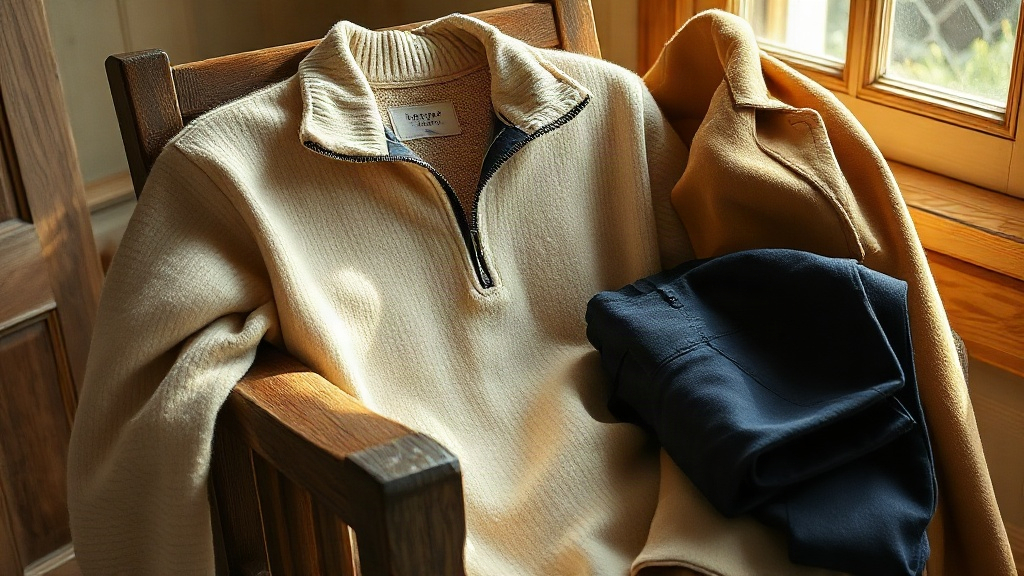
Most refined wardrobes rest on a neutral base: cream, ivory, camel, taupe, charcoal, navy. These anchor the foundation. Add secondary colors sparingly, one or two that flatter your skin tone and appear in your best pieces. Many find success with a single warm tone (ochre, rust, warm brown) and a single cool tone (deep teal, burgundy, forest green).
Texture matters as much as color. A cream knit in wool feels different and reads differently than a cream cotton shirt, yet both are “cream.” Layer textures intentionally. Pair smooth suede with soft cashmere. Combine crisp linen with draped jersey. This creates visual interest without pattern. The writers at Permanent Style have documented this approach in great detail in their menswear archives, and the logic transfers cleanly to any gender-neutral wardrobe: fabric weight and surface texture carry as much visual information as color.
| Color category | Purpose | Examples |
|---|---|---|
| Neutral base | Anchors everything; pairs with any other piece | Cream, ivory, navy, charcoal, taupe |
| Secondary warm | Adds richness without jarring change | Camel, olive, warm brown, burgundy |
| Secondary cool | Balances warmth; feels fresh | Slate, deep teal, charcoal grey |
| Accent (optional) | Used sparingly in smaller pieces or layering | Subtle stripe, quiet herringbone, muted plaid |
Spot the pieces worth investing in next
After honest audit, gaps emerge. You might notice you own three sweaters but no structured jacket. Or five pairs of shoes, all casual, with nothing suitable for a dinner. These gaps guide your next purchases.
The rule is simple: buy one piece per season, not many at once. This forces intention. You cannot impulse-fill a gap. You have to live with the absence, try layering in different ways, and understand whether the gap is real or perceived.
When you do buy, prioritize fit and fabric. Spend less on trend and more on construction. A foundation wardrobe piece in camel cashmere, well-cut, works for fifteen years. A polyester trend piece works for one season. The math of cost-per-wear favors quality dramatically. The NYT Style desk made this point memorably some years back: the readers who reported the most satisfaction with their clothing were not the ones who spent the most, but the ones who bought the fewest new pieces annually and wore each one with frequency.
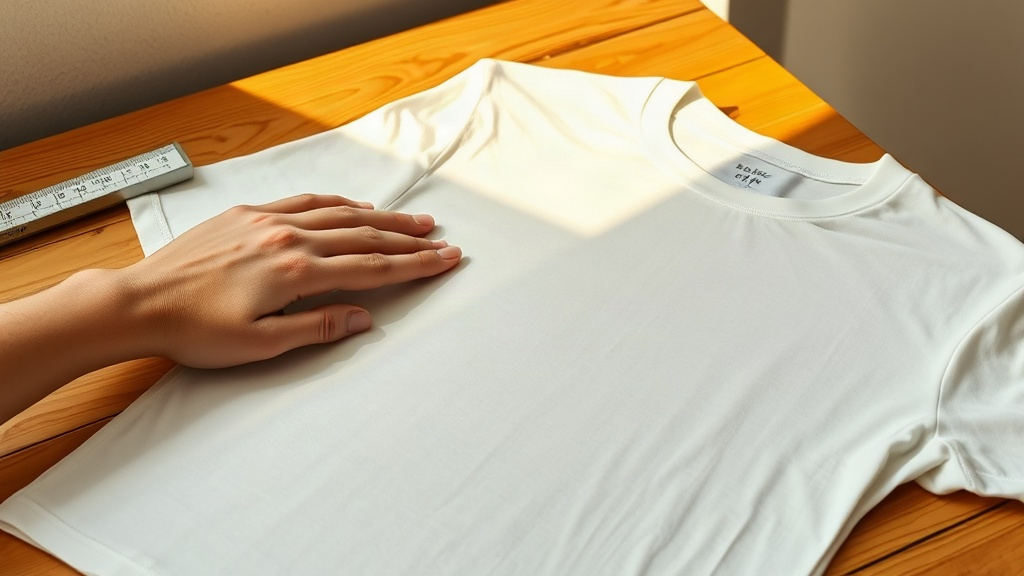
Fit is non-negotiable. A piece that doesn’t fit the body is not a bargain, no matter the price. The best wardrobe piece in existence becomes invisible if it doesn’t sit right on the frame. If something needs tailoring, budget for that before buying.
Build outfit combinations before you buy
Once you have identified a gap, test it theoretically before you buy. Lay out the new piece with things you already own. Can you create at least four distinct outfits? If not, the piece isn’t foundational enough for your needs.
This prevents the common trap of owning “gap fillers” that solve one problem but don’t integrate. A burgundy wool sweater sounds good in theory. But if you have no trousers it pairs with, and your jacket collection is all neutral, the sweater sits unused. You have created a beautiful orphan, not a useful piece.
The piece you buy should extend the number of outfit combinations you can make. If you own navy trousers, two neutral tops, and camel shoes, adding a cream linen shirt multiplies your options. Adding a very specific patterned piece might not.
Establish a refresh rhythm that respects your pace
A wardrobe built from intention rather than impulse evolves slowly. You add one quality piece per season, not every month. This pace allows you to understand what works before committing to the next purchase.
Many find spring and fall natural refresh points. Others buy in summer before a holiday or in early winter before party season. Anchor your buying to real life events, not retail calendars.
Quality improves over time. A well-made linen shirt worn every other week for five years develops character that a new shirt will never have. The seams become soft, the color matures, the drape settles. This is not deterioration; it is aging.
Isabel keeps a handwritten list of the three items she is considering in any given season. She looks at it for three months before buying any of them. After three months, the item she still wants is the one that belongs. The ones that have lost their appeal were impulses dressed as needs. This is a discipline. It is also surprisingly easy to maintain, because the list itself becomes a record of how her actual taste differs from her in-store enthusiasm.
That rhythm matters particularly for trousers. They are the structural anchor of most outfits, and a gap in the trouser section of a foundation wardrobe is felt on every morning you get dressed. Before exploring a new jacket or outerwear, close the trouser gap first. The collection below was built with that sequencing in mind.
🗂️ The collection
Old Money Pants
Foundational trousers in neutral tones and refined silhouettes. Each piece designed to coordinate across seasons and integrate into a larger wardrobe.
55 products
Use clothing as a language of decision
When your closet contains only pieces you actually wear, getting dressed becomes straightforward. You are not negotiating between options; you are choosing between outfits that all work well. This simplicity is the goal, not a limitation.
Some call this a capsule wardrobe. Others call it a refined closet. The name matters less than the principle: every piece earns its space through utility and harmony. Nothing sits unworn. Nothing conflicts with everything else.
This approach takes time. If you currently own 150 items, you cannot responsibly keep all of them. If you currently buy three new things per month, you cannot suddenly buy one per season. But you can begin the audit this week. You can pull out the pieces you reach for most. You can create a simple list of what is genuinely missing. From there, the path becomes visible.
A smaller, more intentional wardrobe does not deprive you. It removes the weight of decision fatigue. It makes you more attractive because you are always wearing things that actually fit and work with your life. It costs less over time because you buy fewer, better things. And it feels like you have more, because everything coordinates and everything works. The quiet luxury approach is built on exactly this logic: less acquisition, more consideration, more pleasure in what remains.
Frequently asked questions
What is the 5-4-3-2-1 method of wardrobe building?+
The 5-4-3-2-1 approach means owning five bottoms, four tops, three pairs of shoes, two jackets or layers, and one accessory that all coordinate with one another. It is an exercise in extreme minimalism that teaches the principle of how pieces should work together. Most people find it too rigid for real life, but it clarifies the concept that fewer, coordinated items serve better than many unrelated ones.
Is it cheaper to buy quality pieces or refresh often with budget options?+
Quality pieces have a much lower cost-per-wear over time. A 100 USD sweater worn two hundred times over five years costs you 50 cents per wear. A 20 USD sweater worn twenty times before it pills or fades costs a dollar per wear. Add in the time spent shopping, the mental fatigue of a disorganized closet, and the environmental impact of constant disposal, and quality becomes the economical choice.
How do I start if my closet is already full of mistakes?+
Pull out only the pieces you have worn in the past three months. Set those aside as your true wardrobe. Box the rest and store it away for a season. After three months, if you have not reached for anything in storage, donate it. This removes the pressure of deciding everything at once and lets your actual behavior guide your choices.
Should I have different wardrobes for different seasons?+
A well-chosen foundation works year-round through layering. A cream linen shirt works in summer as a top and in cooler months under a sweater. Navy trousers pair with lightweight cotton in summer and merino wool in winter. Rather than separate wardrobes, build one with pieces that transition. Store the lightest and heaviest items during opposite seasons, but aim for 80 percent overlap.
What if my body changes? Does my wardrobe need to start over?+
Not entirely. Most people can maintain 70 to 80 percent of their wardrobe through a body change if the original pieces were well-fitted and versatile in silhouette. A relaxed-fit trouser adjusts better than a tapered one. An oversized shirt works across a wider range of sizes. Focus new purchases on pieces that work with your body now, and tailor existing favorites if they are worth the investment. The colors and quality standards you built do not change.
How many colors should a well-edited wardrobe contain?+
Most well-edited wardrobes work within four to six colors: two to three neutral anchors (such as navy, charcoal, and cream), one warm secondary tone (camel or olive), one cool secondary tone (deep teal or slate), and possibly one accent that appears in smaller pieces only. The goal is not chromatic austerity for its own sake, but the practical ability to reach into the closet at random and find that most combinations work. That becomes possible only when the palette is coherent.
Shop the edit
Best Sellers
Timeless clothing and accessories, made to be worn for years.