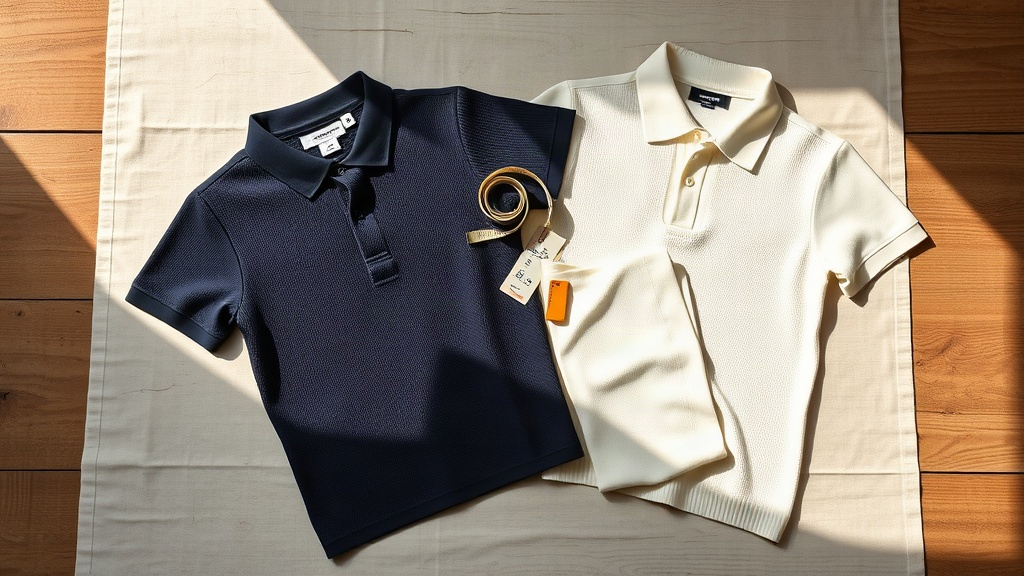
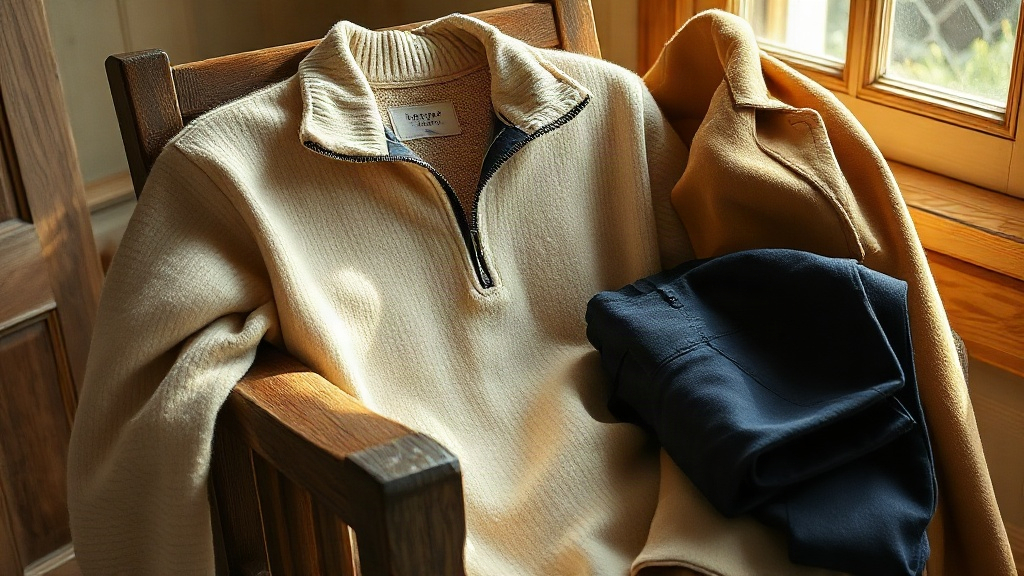
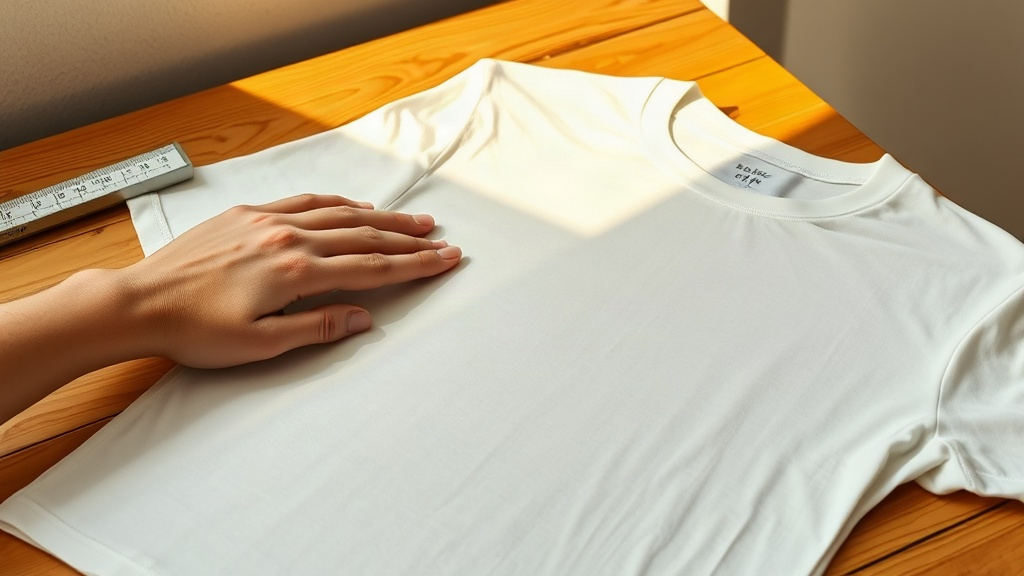
Timeless pieces. No logos. No noise.

How to Layer Cashmere Knitwear: The Thin-to-Thick Rule
Master cashmere layering through principle: start thin, keep to 2-3 pieces, use color depth gradients, and show your shirt collar. Isabel Montclair explains the quiet luxury approach to building layers that last.
In this article11 sections
- The Foundation: Why Layering Matters
- The Thin-to-Thick Architecture
- The Two-to-Three Layer Boundary
- The Color Depth Gradient
- The Collar Break
- Matching Weight to Climate
- Texture as a Visual Break
- What Undoes Good Layering
- Finding the Right Pieces
- When Layering Becomes Choice Instead of Necessity
- Frequently asked questions
The Foundation: Why Layering Matters
Cashmere layering looks effortless until you realize it isn’t. Most people own a sweater, pull it on, and hope for the best. By noon it has migrated upward. The neckline sags. The silhouette reads as bunched rather than composed.
Those who understand quiet luxury dressing know something different. They layer from principle, not impulse. They follow rules as precise as tailoring itself. The difference between looking put-together and looking overdressed often comes down to five simple principles: starting with the finest weight, respecting the boundary between too few and too many pieces, using color to create depth, breaking the neckline intentionally, and matching weight to season.

Cashmere demands this clarity because the fiber moves differently than synthetics. It clings. It drapes. It breathes in ways that require intention from you. When you respect those qualities instead of fighting them, the layers disappear and only the effect remains.
The Thin-to-Thick Architecture
Layering cashmere asks you to reverse your intuition. You do not start with what feels warmest. You start with what is finest.
Against your skin comes the thinnest weight: a 12-micron cashmere tank, a silk base layer, or a lightweight merino long-sleeve. This layer does not insulate. It regulates. It creates a foundation that allows everything above it to move in harmony with your body rather than against it.
Next sits a mid-weight piece. A 14-16 micron crewneck or v-neck. This layer provides warmth and structure. It becomes the visual anchor of the stack, the piece that shows at the neckline and wrists.
Last comes the statement piece. A 18-20 micron sweater, a chunky rib, an oversized cardigan. This piece bears the visual weight of the outfit. It sets tone through color and texture. But because the layers below it are thoughtfully chosen, this heavy piece moves right on your body instead of encasing you.
Think of watercolor washes drying in sequence. The first layer sets everything that follows. Skip proper foundation and no outer piece will save the look. Get it right and the whole stack reads as composed.
The Two-to-Three Layer Boundary
Restraint defines quiet luxury. More layers do not make you warmer. They make you constrained.
Two layers work in mild weather: a thin camisole under a crew-neck sweater, or a fitted tee under a relaxed knit. Three layers work in winter: a base, a mid-weight crew, and a heavier cardigan worn open or a structured coat. Beyond three, you sacrifice the mobility that makes cashmere worth wearing.
This is not philosophy. It is practical. When you exceed three layers of knitwear, the stack thickens at the torso. Your arms move differently. The neckline sits wrong. The visual line of your body disappears under bulk.
Some people insist on four pieces. They are cold because the layers trap moisture instead of moving it away. Others think many thin pieces stack better than a few heavier ones. They are wrong. Fiber on fiber on fiber on fiber reads as chaos, regardless of individual weight.
Choose two or three. Wear them with intention. Change them with the season. This restraint is what separates the quietly dressed from the overdressed.
| Season | Base Layer | Mid Layer | Outer Layer |
|---|---|---|---|
| Spring/Fall | Silk camisole or lightweight merino | 12-16 micron crew | 14-18 micron cardigan worn open |
| Winter | 14-micron cashmere crew | 16-18 micron crew or turtleneck | 18-20 micron statement piece |
| Coastal summer | None | Single 12-micron piece | Linen or lightweight shirt |
The Color Depth Gradient
Light inside. Dark outside. This single principle shapes every layering decision that follows.
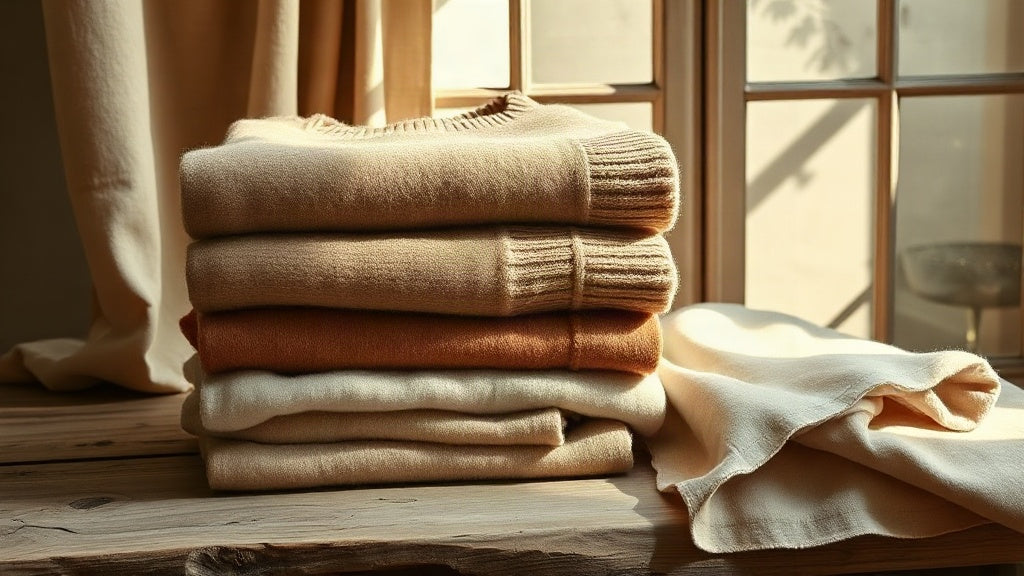
Wear a cream silk base with a camel mid-layer and a charcoal outer piece. Not pale to dark to black, but a visible gradient. The eye reads this progression as intentional architecture. Light to light to light looks washed out and accidental. Dark to dark reads flat and heavy. The gradient gives dimension.
You do not need dramatic contrasts. Cream, ivory, and taupe read beautifully together. So do gray, navy, and charcoal. The key is movement. Each layer should be slightly darker or deeper in tone than what sits beneath it.

Stay within one temperature family. Warm cashmeres include camel, cream, taupe, brown, and black. Cool cashmeres include ivory, gray, navy, and charcoal. Do not layer warm tones over cool ones in the same stack. The eye senses the clash before the mind can articulate it. This rule takes years of dressing experience to break gracefully, so follow it until you have earned your way past it.
The Collar Break
This detail separates practiced layering from accident. When you wear a button-up shirt under a sweater, let the collar show.
Pull the shirt collar out past the sweater neckline by approximately a quarter-inch. This small break signals intention. It tells the viewer you chose this combination deliberately, not because you grabbed whatever was on top. The eye reads layers instead of bulk. The silhouette looks designed.
The same principle applies to a t-shirt under a v-neck. Bring the t-shirt neckline just slightly forward so there is visible separation. Some people safety-pin the back to hold it in place during the day. Others use a small stitch. The method matters less than the effect: a clean, visible line between each layer.
Avoid the common mistake of tucking the inner layer so far down that no neckline shows. This creates a floating effect that reads as sloppy. Show the break. Own the choice. Let the garment speak its architecture.
Matching Weight to Climate
Cashmere weight changes with season, and your layers must shift accordingly. The micron count matters more than brand name or price.
Spring and fall call for fine cashmere. A 12-16 micron base layer under a 14-18 micron piece. These barely perceptible weights stack without suffocating. You get warmth and mobility both. In deep winter, you move to 16-18 micron base and 18-20 micron outer pieces, where each layer has genuine structure and insulation.
Summer near the coast or in southern heat means one fine cashmere layer, worn alone or over a silk camisole. Nothing more. A 12-14 micron sweater becomes your entire outfit. Thin enough to breathe. Warm enough to regulate temperature in air conditioning.
Weight affects how the fiber moves on your body. Thick cashmere against thin cashmere traps air pockets that insulate effectively. Thick cashmere against thick cashmere feels armored and moves wrong. Thin against thin might not provide enough warmth but moves beautifully. Know what you need from each layer and choose weight accordingly.
Texture as a Visual Break
Beyond weight, texture saves a layered look from monotony. A fine knit cashmere crew pairs well with a chunky rib v-neck. A smooth merino base gives different visual interest than a ribbed one.
Never wear two consecutive layers of exactly the same stitch. Cable knit under cable knit collapses the visual hierarchy. Smooth merino under smooth cashmere disappears. The eye needs a marker between levels. Smooth against ribbed. Fine knit against cable. Flat against textured.
Texture also serves practical function. Different knit structures respond differently to movement and friction. A ribbed base layer under a smooth mid-layer reduces pilling at the edges. A smooth base under a cable knit prevents snagging. You extend the life of your pieces by understanding how fibers interact.
What Undoes Good Layering
Certain choices collapse even the most carefully considered stack.
Do not layer cashmere over synthetic base layers. The fibers move at different rates. You will get creeping and slipping. Cashmere wants silk, merino, or another natural fiber beneath it. This is not snobbery. It is physics.
Do not tuck in every layer. Tuck the base or mid-layer if you want clean lines through the waist. Leave the outer layer loose and long enough to cover the hip. Tucking everything creates bunching at the waist and forces the outer piece to pull. Your silhouette distorts.
Do not attempt to layer very thick cashmere with very thick cashmere. Even with careful spacing, the stack stops looking intentional and starts looking like you grabbed whatever was warmest. The eye senses desperation.
Do not wear cashmere layered over a button-up shirt with a stiff collar. Formal collars respond differently to movement than casual ones. The cashmere drapes smoothly while the rigid collar creates dimples and pulls. The layers fight each other visually.
Do not layer similar colors in different weights expecting them to read as intentional. That cream cashmere base with your cream linen shirt creates visual confusion. The eye cannot distinguish between layers. Choose visible contrast.
Finding the Right Pieces
Good layering begins with owning cashmere in diverse weights and neutral colors. A single perfect sweater worn alone beats three thin pieces stacked incorrectly every time.
Start with a cream or ivory base layer in 12-14 micron weight. Add a camel or taupe mid-weight crew neck. Acquire a charcoal or navy statement piece in 18-20 micron. These three pieces layer across seasons when matched with unstructured trousers or simple jeans.
Expand from there. A turtleneck in navy works as a mid-layer in winter or a base layer in very cold climates. A structured cardigan in charcoal becomes your outer piece when the weather demands it. A fine-knit tank in cream gives you options in shoulder seasons.
Buy cashmere in weights that let you move between seasons without reaching for synthetics. Build toward owning enough pieces that you stop layering altogether and start choosing which single sweater to wear. This is the goal. A thoughtfully built cashmere wardrobe eventually becomes self-sufficient.
Building a layering-ready cashmere wardrobe does not require purchasing expensive novelty pieces. The foundation stays consistent: high-quality basics in versatile weights and neutral tones. The Old Money Sweater collection brings together pieces chosen specifically for their ability to work alone or combined with others, across seasons and years.
When Layering Becomes Choice Instead of Necessity
Mastery of cashmere layering arrives quietly. You stop thinking about the mechanics. You reach for pieces without second-guessing weight or color. The combinations work because you have built your wardrobe on principle, not impulse.
At this point, layering shifts from necessity to option. You layer because a particular combination appeals to you that morning. You wear single pieces on other days. The flexibility comes from having enough good pieces that multiple approaches work.
This is different from owning many pieces. You might have just five or six cashmere sweaters and two base layers. But because you chose them according to these principles, the combinations multiply. The versatility becomes almost surprising.
Frequently asked questions
What should I wear under a cashmere sweater?+
A silk camisole, lightweight merino, or fine cashmere base layer. The piece underneath must be natural fiber and finer in weight than the sweater. Avoid synthetics, which prevent the cashmere from regulating temperature properly. If you wear a button-up shirt, let the collar show slightly beyond the sweater neckline.
Does cashmere pill when you layer it?+
Cashmere pilling occurs from friction, not from layering itself. When you pair smooth cashmere with smooth cashmere, there is less mechanical friction at the seams. When you pair smooth with ribbed, the ribbed texture catches and can accelerate pilling. To minimize pilling, avoid rubbing your arms excessively and wash gently. Higher-quality cashmere pills less because the fibers are stronger and longer staple length means fewer loose ends.
How often can you wear cashmere before washing?+
Wear cashmere 5 to 7 times between washes. Frequent washing breaks down the fibers. Airing out the piece overnight refreshes it without water. If you layer properly with a base layer beneath your cashmere, the outer piece stays cleaner longer because your body oils do not transfer directly to it. This is another practical reason for thoughtful layering.
What weight cashmere works best for layering?+
Use 12-16 micron cashmere as base layers, 14-18 micron as mid-weight pieces, and 18-20 micron for statement outer layers. These weights stack without creating bulk. Lower micron counts mean finer fibers and better regulation of temperature. Higher micron counts provide insulation and structure but weigh more. Match weight to season and layer purpose rather than chasing brand names.
Can you layer different cashmere brands together?+
Yes, as long as you match the micron weight and color temperature. Brand does not determine layerability. Weight, fiber quality, and color do. A 14-micron cashmere sweater from one maker layers perfectly with a 12-micron base from another if the colors align. Buy by weight and color first. Brand becomes secondary once you understand these principles.
Shop the edit
Old Money Sweater
Pieces from our Old Money Sweater collection, chosen to go with this article.