Timeless pieces. No logos. No noise.

Dark Denim Selvedge Guide: From Mill to Fade
A practical guide to understanding dark denim selvedge: weight standards, mills, break-in timelines, and the distinct approaches of Japanese versus American producers.
In this article11 sections
- What Selvedge Actually Means
- Why Weight Matters More Than You Think
- Cut and Silhouette
- Break-In: What to Expect
- Japanese Mills vs. American Mills
- Fit and Sizing Guidance
- Washing and Care
- The Maker Landscape: Who’s Producing Dark Selvedge
- Common Mistakes When Starting
- Building Your First Pair
- Frequently asked questions
What Selvedge Actually Means
The word “selvedge” comes from “self-edge.” It refers to the finished edge of the fabric created during the weaving process on a loom, the part that stops the cloth from unraveling naturally. Most modern denim is woven on wide looms and then cut into panels. Selvedge denim, by contrast, is woven on narrower shuttle looms where one single thread travels back and forth across the warp, creating a naturally finished edge on both sides.
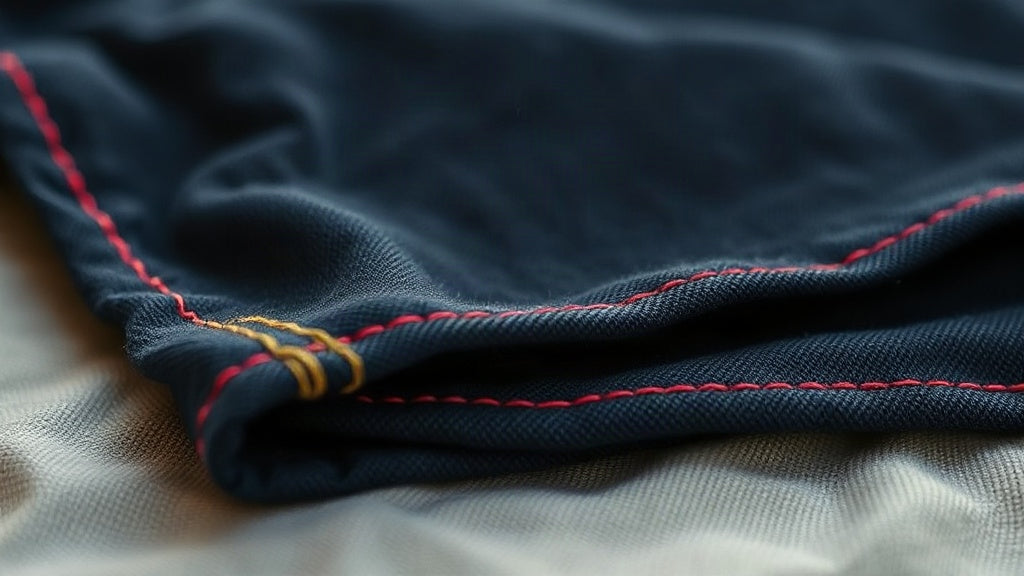
This finished edge appears as a colored line running down the inseam of your jeans. The selvage line itself carries information about the mill: white, red and white striped, or solid color all signal different makers and different eras of production.

Selvedge production is slower and more labor-intensive than conventional methods. A shuttle loom operates at roughly half the speed of a modern projectile loom. This means selvedge fabric costs more to produce, and that cost reflects in the retail price.
Why Weight Matters More Than You Think
Most entry-level selvedge jeans weigh between 13 and 15 ounces. This is the standard across Japanese mills like Cone, Kaihara, and many American producers. The weight sits somewhere between lightweight fashion denim (8-10 oz) and heavy workwear (16+ oz), making it accessible without feeling like armor.
Heavier fabric (15 oz and above) demands more commitment. It takes longer to soften, holds its shape more aggressively during the break-in period, and develops deeper contrasts when it fades. Lighter selvedge (12-13 oz) softens faster and moves more naturally, though it won’t achieve quite the same visual punch after a year of wearing.
Dark denim selvedge at the 14-15 oz range is the default choice because it balances ease of wear with the visual payoff that makes selvedge worth the investment. Anything lighter risks feeling ordinary; anything heavier requires genuine patience.
The Role of Indigo Saturation
Weight alone doesn’t determine color depth. The number of indigo dye vats used during production affects how dark the fabric begins. Traditional Japanese mills run their denim through 10 to 20 separate indigo baths. American mills typically use fewer passes. More dye passes mean more indigo is absorbed into the fiber, which means deeper initial color and more contrast as the denim fades.
A pair dyed with 20+ indigo passes will start nearly black and fade to a medium blue after six months of regular wear. A pair with eight passes might start as a medium-dark blue and lighten to a pale blue. Neither approach is superior, but the visual journey differs markedly.
Cut and Silhouette
Raw selvedge denim comes in a limited set of cuts because the category prioritizes fit over trend. The most common silhouettes are the straight leg and the slim straight.
Straight Leg
The straight leg is measured as roughly the same width from hip to ankle. It’s neither tapered nor relaxed. This cut works with most body types and pairs equally well with a T-shirt or a blazer. It’s the default choice for someone buying their first pair of raw denim.
The straight leg was the dominant cut for American workwear from the 1950s through the 1980s, so it carries historical weight. Contemporary makers like Iron Heart, Pure Blue Japan, and Studio d’Artisan offer variations, but most hew close to the original proportions.
Slim Straight
The slim straight tapers slightly through the thigh and knee but maintains a straight or near-straight line from knee to ankle. It sits between the oversized “dad jean” proportions and the tight jean silhouette. For many wearers, this is the most forgiving modern take on the raw denim formula.
Slim straight can show fading patterns more dramatically because the fabric sits closer to the leg. It also tends to appeal to younger buyers or those uncomfortable with the wider proportions of a true straight leg.
Break-In: What to Expect
Raw or unsanforized denim shrinks when it first gets wet. The indigo also bleeds in the first wash, staining lighter fabrics nearby. Most guides recommend wearing raw denim for 3 to 6 months before the first wash, allowing sweat, wear patterns, and movement to create pronounced creases and fading.
The three-month mark is where most people notice genuine change. Crease lines appear at the knees and ankles. The seat softens. The fabric begins to mold to your specific body. At six months, the transition is usually complete enough that a cold wash becomes less risky.
The First Wash
When you’re ready, fill a tub with cold water and add a cup of white vinegar. This sets the indigo and reduces bleeding. Submerge the jeans for 30 to 45 minutes, then rinse in cool water until it runs clear. Do not agitate, wring, or use hot water. Lay flat to dry or hang by the waistband.
Expect 5 to 8 percent shrinkage in length and 2 to 4 percent in the waist. This is why sizing raw denim requires leaving room at the waist. A comfortable fit before washing can become tight after.
Wearing Patterns and Fade Development
Fading happens where you bend most: at the knees, the seat, the inner thigh, and behind the calves. Wear patterns are unique to your body and your activities. A desk worker will develop different fades than someone who sits in a car all day, who will differ from someone on their feet. This is the appeal of raw denim for many: the jeans become a record of how you live.
Vertical fading along the inseam happens faster because the fabric rubs against itself constantly. Horizontal fading at the knees takes longer and deepens over years, not months. The combination creates a visual map.
Japanese Mills vs. American Mills

Both traditions produce excellent dark denim selvedge. The difference is philosophical as much as technical.
Japanese Tradition
Japanese mills prioritize preserving the original American denim recipe with minor refinements. They use shuttle looms exclusively, traditional indigo dyes, and often work with vintage loom equipment that’s been maintained for 50+ years. The most celebrated mills include Kaihara, Kuroki, and Japan Blue.
Japanese selvedge typically uses more indigo passes (15-20 is common), resulting in darker initial fabric and more pronounced fading contrast. The fabric often feels slightly stiffer and takes longer to soften. Mills in Japan also tend toward more consistent production standards, with tighter tolerances on weight and weave.
Pricing for Japanese dark denim selvedge runs $150 to $300 at retail. The higher cost reflects both the preservation of traditional equipment and the labor-intensive production methods.
American Approach
American mills like White Oak (Cone Mills) and more recent operations like Rogue Territory prioritize innovation within the selvedge format. They may use shuttle looms but also experiment with different indigo recipes, synthetic dyes, and weaving techniques.
American selvedge often uses fewer indigo passes (8-15), meaning slightly lighter initial color and perhaps more subtle fading patterns. The fabric sometimes feels slightly softer at purchase, appealing to buyers who want a gentler break-in.
American selvedge ranges from $120 to $280 retail depending on maker and distribution. The economics are different: American labor costs are higher, but American mills benefit from domestic sales and logistics.
| Characteristic | Japanese Mills | American Mills |
|---|---|---|
| Loom Type | Shuttle (traditional, slower) | Shuttle or hybrid modern looms |
| Indigo Passes | 15-20+ passes (very dark) | 8-15 passes (medium to dark) |
| Break-in Feel | Stiffer initially, longer softening | Slightly softer sooner |
| Fade Contrast | High contrast, dramatic over time | Moderate to high, depends on maker |
| Typical Price Range | $150-$300 | $120-$280 |
| Production Philosophy | Preserve tradition, consistency | Tradition plus innovation |
Fit and Sizing Guidance
Raw denim sizing is not straightforward. Most makers size conservatively, assuming the buyer will wash the jeans and accept some shrinkage. A pair marked “32” waist often measures 32.5 inches when new and shrinks to 31 inches after the first cold wash.
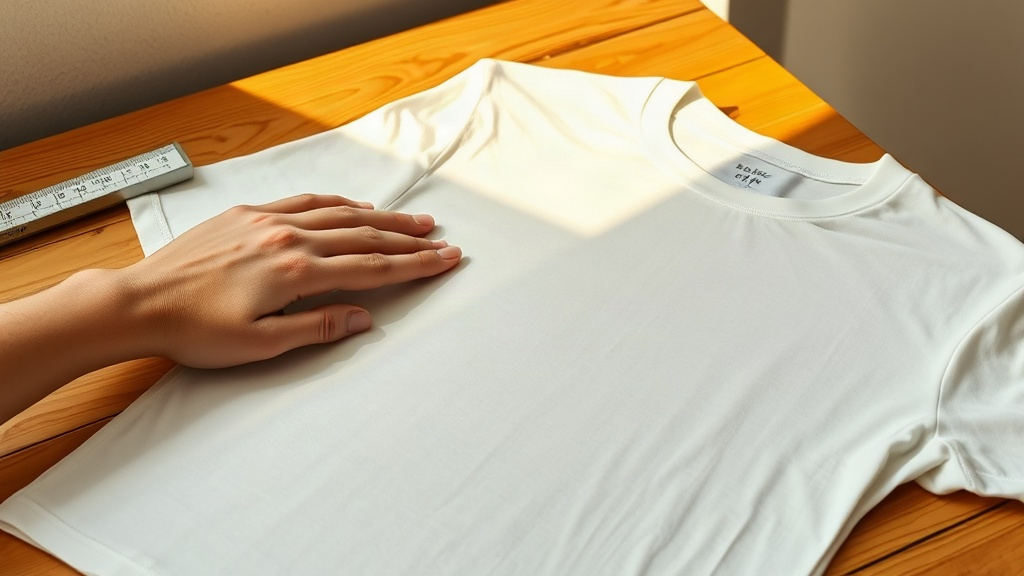
The safest approach is to measure a pair of jeans you already own and like, then compare those measurements to the maker’s size chart. Waist, inseam, thigh width, and knee width all matter. A pair that’s comfortable in the waist but tight in the thigh will remain uncomfortable throughout the break-in period.
For length, account for the inevitable cuff. Most raw denim wearers cuff their jeans because the inseam is often longer than street-length proportions. A one to two-inch cuff is standard. Buy inseam length accordingly.
Raw vs. Sanforized
Sanforized denim has been pre-shrunk during manufacturing, so it shrinks minimally after washing. Raw denim has not undergone this process. Raw allows for more dramatic fading and a truer denim experience, but it demands patience and precise sizing. Sanforized is more forgiving but represents a compromise on authenticity.
Most modern dark denim selvedge is sold raw or very lightly sanforized. This is part of the appeal for buyers who want the full experience of the fabric developing and changing with wear.
Washing and Care
Dark denim selvedge lasts longest when you wash it sparingly. Many wearers wash only 2 to 4 times per year, relying on spot cleaning for small stains and airing the jeans between wears to freshen them.
When you do wash, keep the water cold. Warm or hot water accelerates fading in a way that looks unnatural, spotty rather than smooth. Turn the jeans inside-out to minimize surface rubbing. Use minimal detergent, or consider a delicate wash product designed for indigo.
Never use bleach or fabric softener. Bleach weakens the fibers directly. Fabric softener coats the indigo and prevents the natural fading process. Dryers are equally problematic; heat sets wrinkles and can damage the indigo bond.
Repairs and Patching
One advantage of quality dark denim selvedge is the possibility of repair. If the inseam wears through, a tailor can patch it with complementary fabric. If the crotch blows out, which happens to most raw denim eventually, a reinforcement patch extends the life of the jeans by years. These repairs are not hidden; they become part of the narrative of the garment.
The best tailors for selvedge denim repairs are those accustomed to workwear and raw denim. They understand that a visible patch is not a flaw but a mark of proper use.
The Maker Landscape: Who’s Producing Dark Selvedge
The selvedge denim market has consolidated and expanded simultaneously. Many small makers have closed; others have grown. The remaining producers tend to fall into a few categories.
Heritage Japanese Mills
Kaihara, Japan Blue, Kuroki, and Samurai continue to operate as genuine fabric mills producing their own indigo dye and weaving. These mills sell both to brands under private label and under house brands. Their dark denim selvedge represents the closest thing to a living connection with 1970s production techniques.
Contemporary Brand-Makers
Companies like Iron Heart, The Flat Head, and Pure Blue Japan own their own mills or work exclusively with a single traditional mill, commissioning specific fabrics. They control the indigo recipe, loom time, and finishing. Their dark denim selvedge tends toward high quality and consistency, though at the higher end of the price spectrum.
Heritage American Makers
Levi’s still produces selvedge lines, though not all of them are raw. Cone Mills’ White Oak mill produces for several brands. Rogue Territory and Self Edge are more recent American-made entrants that combine traditional methods with modern fits.
American dark denim selvedge is often slightly lighter in indigo than Japanese equivalents, but the quality is undeniable. These makers tend to be more transparent about shrinkage and sizing because they’re dealing with a more educated customer base.
Common Mistakes When Starting
Oversizing Too Much
Buyers often size up two inches in the waist anticipating shrinkage, then end up with permanently loose jeans. Shrinkage is real, but it’s not unlimited. A two-inch initial room becomes a half-inch comfortable room after one wash. Start with one inch room and adjust if needed.
Washing Too Soon
The break-in process requires time. If you wash at two weeks because the jeans feel stiff, you’ve interrupted the softening and shortened the duration of dramatic fading. Give it at least 12 weeks before the first wash if possible.
Expecting Studio-Grade Fades Immediately
The photographs of beautifully faded raw denim you see online are often a year or more in. Three months of wear produces visible change but not the kind of transformation you might anticipate. Manage expectations. The fading is cumulative.
Ignoring Inseam Measurements
Buying by waist size alone leaves you vulnerable to either too-short or too-long proportions. A pair that’s perfectly comfortable in the waist but two inches too long or too short becomes a problem within a week. Always measure the inseam of your current jeans and compare it to the maker’s specifications.
Building Your First Pair
If you’re new to dark denim selvedge, start with a 14-15 oz pair in a straight or slim straight cut. Japanese or American mills both produce excellent entry-level options in this weight. Buy slightly loose and allow three to six months before your first wash.
Wear the jeans regularly. The more consistently you wear them, the more uniform your fading will be. If you wear them three days a week, the fades will be much less dramatic than if you wear them five or six days a week.
Keep an eye on high-stress areas like the inseam and the crotch. If holes appear, take the jeans to a tailor before they become a full tear. A $30 repair now prevents a $150 loss later.
After six months of regular wear, you’ll have a sense of whether raw denim is for you. Some people find the commitment worth it; others prefer the convenience of pre-washed denim. Neither choice is wrong, but the only way to know is to live with a pair long enough to see the investment pay off.
Frequently asked questions
How much will raw denim shrink?+
Expect 5 to 8 percent shrinkage in the waist and 3 to 5 percent in the inseam after the first cold wash. Subsequent washes cause minimal additional shrinkage. This is why sizing up one inch in the waist before the first wear is recommended, but two inches is usually too much.
Can I wear raw denim straight out of the bag?+
Yes, though the first few wears will be stiff. Many wearers give their new dark denim selvedge a cold wash before wearing to reduce initial stiffness and set the indigo. If you do this, understand that it eliminates the true raw experience, but it’s a practical compromise for comfort.
Is dark denim selvedge worth the price?+
If you wear jeans frequently and plan to keep them for years, yes. A quality pair of dark denim selvedge will outlast five pairs of disposable denim. The cost per wear diminishes quickly with consistent use. If you wear jeans rarely or prefer frequent wardrobe rotation, conventional denim is a more sensible choice.
What’s the difference between raw and sanforized?+
Raw denim shrinks 5 to 8 percent after the first wash and develops more dramatic, nuanced fading. Sanforized denim is pre-shrunk and stable from day one, but fading is less pronounced. Most dark denim selvedge enthusiasts prefer raw for the visual payoff, but sanforized offers more predictability.
How often should I wash dark denim selvedge?+
Most collectors wash 2 to 4 times per year. Frequent washing fades the indigo too quickly and wears the fibers. If the jeans smell or visibly need cleaning, wash in cold water inside-out without detergent. For everyday odor, freeze them overnight instead.
Shop the edit
Best Sellers
Timeless clothing and accessories, made to be worn for years.