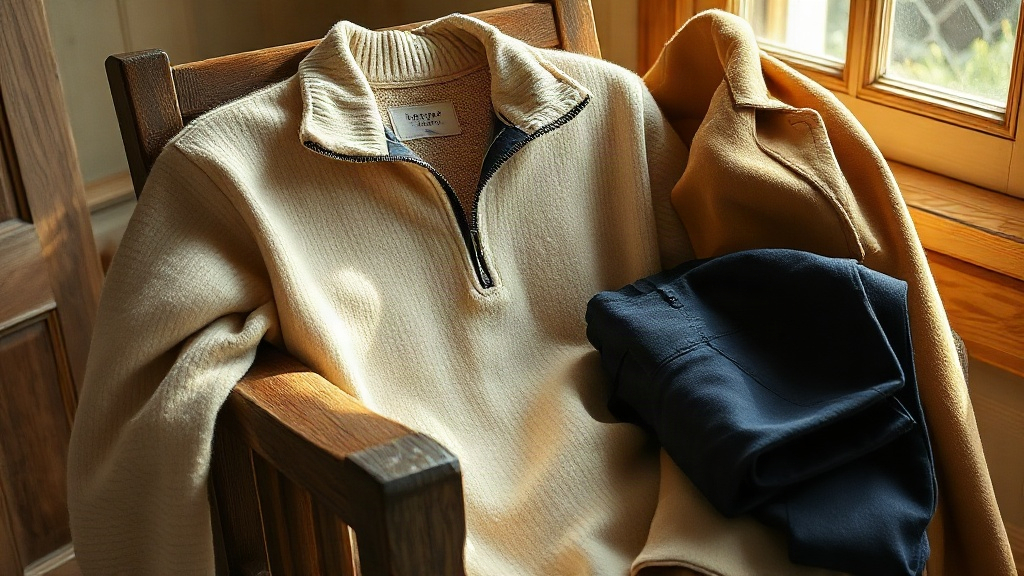
Timeless pieces. No logos. No noise.

Transitional Weather Layering: Build Warmth With Restraint
Master transitional weather dressing with a three-layer system that prioritizes flexibility over weight. Learn fabric pairings, fit principles, and how to layer a base, middle, and outer piece that work independently or together.
In this article11 sections
- Why Layering Matters More Than A Single Heavy Piece
- The Three-Layer System for Transitional Weather: Foundation, Insulation, Outer
- Fabric Pairings That Actually Work
- Color and Pattern in Layered Outfits
- Fit and Movement
- Transitional Weather Across Seasons
- When One Heavy Piece Makes Sense
- Building a Transitional Wardrobe From What You Have
- Common Layering Mistakes and How to Avoid Them
- Learning to Read Variability
- FAQ
Why Layering Matters More Than A Single Heavy Piece
The person standing outside on an April morning in a wool overcoat looks committed to one decision. By noon, when the sun breaks through, they’re locked into that choice. Transitional weather layering solves this problem without requiring you to second-guess yourself. Instead of one immovable garment, you build warmth in stages, keeping control as the day shifts beneath you.
This approach rests on a simple principle: lightweight pieces stacked create more flexibility than a single heavy coat. You can shed a cardigan when you walk indoors. You can add a sweater vest when the afternoon cools. The architecture matters more than the weight. A proper transitional weather layering guide is, at its core, a guide to architecture.

The benefits extend beyond temperature management. Layering teaches you how to construct an outfit from fewer pieces. Once you understand how a turtleneck, cardigan, and lightweight jacket work together, you’ve built a framework that repeats across a hundred mornings. You stop chasing perfect weather forecasts and start dressing for variability.
The Three-Layer System for Transitional Weather: Foundation, Insulation, Outer
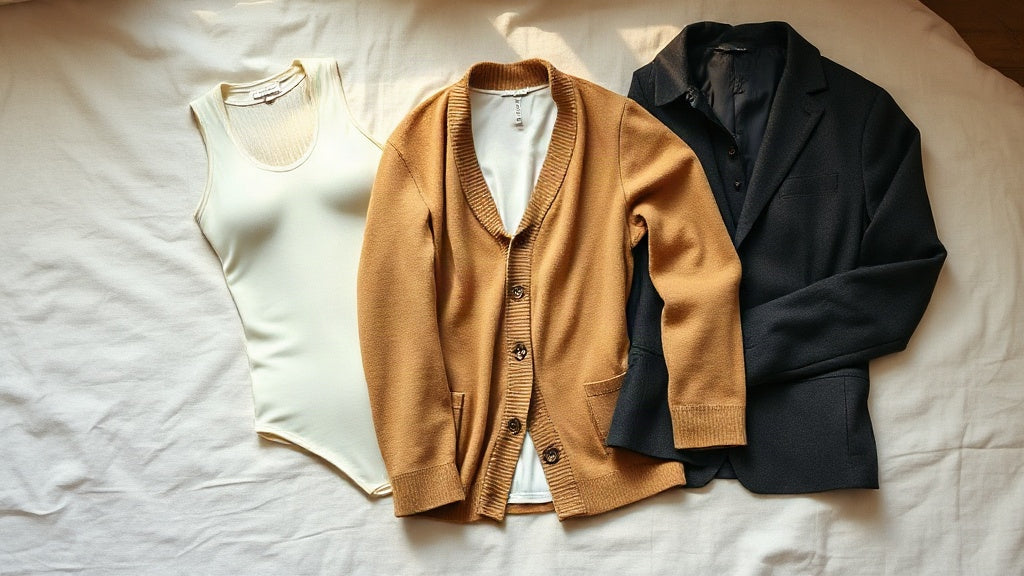
The architecture of sound transitional weather layering has three distinct zones. Each zone has a job, and understanding that job prevents the most common mistakes. What follows covers all three in sequence, from the skin outward.
The Foundation Layer: Where Comfort Starts
Every successful transitional outfit begins beneath the surface. The base layer sits directly against skin and handles moisture. In spring and fall, this isn’t about technical fabrics or thermal engineering. It’s about natural fiber that breathes without working too hard.
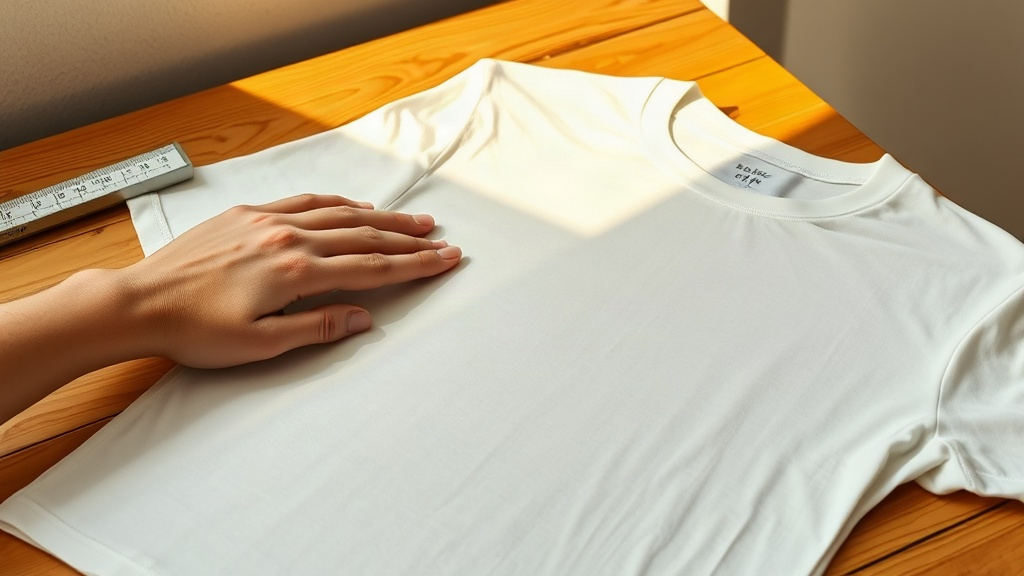
A fitted crewneck tee in cotton or a cotton-blend works for mild days. When temperatures drop or wind builds, a turtleneck offers coverage without the bulk of a sweater. Merino wool blends perform well here too, offering temperature regulation without the itch that bothers many people. The key: keep it fitted and close to the body. Loose base layers defeat the purpose, creating volume without efficiency.
The color of your base layer matters subtly. Neutral tones (cream, ivory, navy, charcoal) allow layering pieces to anchor the outfit without competition. A bright base layer often looks like an accident waiting to show itself when you unbutton your jacket.
Isabel has found, after years of navigating New England springs, that a 180-gram merino crewneck in oatmeal or slate outlasts every trendy alternative. It presses flat under a cardigan, breathes in the afternoon sun, and looks deliberate rather than improvised when the outer layers come off.
The Middle Layer: Insulation Without Bulk
This is where most people make their first mistake. They reach for thick wool sweaters when lightweight knitwear does the job better. A cardigan, V-neck sweater, or sweater vest worn over a base layer traps air and adds warmth without the weight of a full crew-neck pull-over.
Cardigans offer an obvious advantage: you control warmth by adjusting the buttons. A fine-gauge merino cardigan adds insulation on a cool morning, then unbuttoned it becomes visual interest without thermal burden. The silhouette matters here too. A cardigan that skims your frame, neither tight nor oversized, layers cleanly under a jacket.
A sweater vest in cashmere or wool opens similar possibilities. Worn over a long-sleeved base, it adds warmth exactly where you need it. The exposed arms allow airflow on warmer moments. A crewneck sweater works too, but it commits more fully; once you’ve layered it, you’re locked into that weight for the day.

Weight and weave affect drape. A lightweight merino or a fine alpaca blend doesn’t cling to your base layer, allowing each piece to hang independently. Heavier knits compress against the skin and create an overall bulkiness that undermines the layering concept. For the middle position, aim for pieces woven at 250 grams per square meter or lighter; anything heavier tends to dominate rather than cooperate.
The Outer Layer: Protection and Proportion
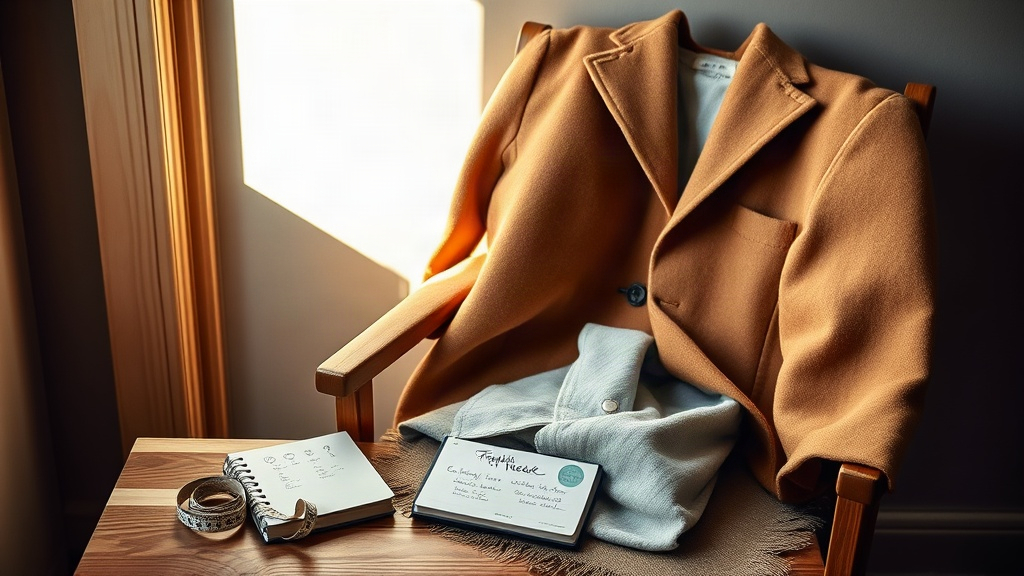
The jacket is the final statement, but in transitional weather, it must remain optional. This shifts what you reach for. Heavy wool overcoats designed for deep winter feel wrong in April. A lightweight wool blazer, an unstructured sports coat, or a Harrington jacket serves better. These pieces add structure and weather protection without locking you into a thermal decision.
A wool blazer in natural fibers (plain weave, herringbone) breathes more readily than dense coating. The tailoring should be relaxed enough to accommodate layers beneath without strain at the shoulders. Many blazers designed purely for office wear sit too tight over a cardigan or sweater.
If you prefer a more casual finish, a Harrington jacket or a lightweight wool overshirt bridges the gap between sweater and coat. Neither announces itself; both shed easily once you’re indoors or the afternoon warms.
Isabel has watched this detail undo otherwise careful outfits on countless occasions. A cardigan sleeve that creeps a half-inch past the blazer cuff reads as carelessness rather than layering. The fix costs nothing; it’s purely a matter of attention.
Fabric Pairings That Actually Work
Not every combination of fibers sits well together. Cotton against wool can feel strange at the point of contact. A silky lining on a base layer creates slipping between pieces. The best pairings respect texture and grip.
Cotton base with wool middle works cleanly. Cotton tee, then a fine merino sweater, then a wool blazer. Each layer holds its place without sliding. Wool base with cashmere middle is luxurious but doesn’t add much; two warm-fiber layers can feel redundant unless the base is exceptionally lightweight.
Lin introduces a different logic. A linen shirt worn open over a lightweight sweater works in late April or early September when warmth is incidental, not urgent. Linen’s structure means it doesn’t conform to layers beneath the way cotton does. This can look intentional and calm, or it can read as slightly disjointed. The balance depends on fit and proportion.
| Base Layer | Middle Layer | Outer Layer | Best For |
|---|---|---|---|
| Cotton crewneck | Merino cardigan | Wool blazer | Office or formal occasions |
| Wool turtleneck | Cashmere v-neck | Unstructured overshirt | Cool mornings, relaxed settings |
| Cotton base | Sweater vest | Lightweight jacket | Maximum flexibility, mild weather |
| Linen shirt | Lightweight knit | Open linen overshirt | Late spring and early fall |
Color and Pattern in Layered Outfits
Simplicity in color choices makes layering feel intentional rather than accidental. Three neutral pieces in cream, navy, and taupe sit comfortably together. Three pieces in navy, burgundy, and forest green feel studied.
Neutrals don’t mean monotone. A cream base with a charcoal cardigan and camel blazer uses the full tonal range without strain. Introduce pattern cautiously. A subtle stripe or textured weave works. Bold prints or contrasting colors multiply visually when layered, and transitional weather layering benefits from understatement rather than accumulation.
Consider how each piece reads when removed. If you’re shedding your jacket mid-afternoon, does your cardigan still belong to the outfit, or does it suddenly feel incomplete? The layered silhouette should work at each stage of undressing.
Fit and Movement
Layering fails when pieces cling or bunch. A base layer should fit close without stretching. A cardigan worn over that base should have enough room to sit comfortably without looking oversized. An outer jacket needs enough shoulder and sleeve room that the layers beneath don’t restrict movement.
The real test: can you raise your arms above your head without the layers riding up or pulling? Can you sit and lean forward without the outer jacket twisting awkwardly over your middle? These aren’t abstract comfort concerns; they’re practical checks that your silhouette holds when you move through the day.
Sleeve lengths matter more in layering than in single-piece dressing. A base layer tee should tuck neatly under a cardigan. A cardigan’s sleeve should not extend past your wrist when your arms hang. An outer jacket’s sleeve should cover your wrist bone when your arm is relaxed. These small alignments prevent the visual chaos of mismatched cuffs.
Transitional Weather Across Seasons
Early spring presents different layering needs than late autumn. In March or April, cold mornings give way to mild afternoons, so you’re prioritizing easy removal. A lightweight base, a cardigan you can unbutton completely, and a blazer that hangs freely serves this rhythm.
September and October reverse the problem: cooler afternoons arrive unexpectedly. You start without a jacket and need the option to add one. A sweater vest over your base allows this. You can walk in the morning without carrying outerwear, then slip into a jacket as the day cools.
Both scenarios benefit from the same logic: pieces that sit independently, fabrics that coordinate rather than compete, and silhouettes that work whether shed or worn. The specific combinations shift by month, but the underlying principle of the transitional weather layering guide holds steady across both seasons.
When One Heavy Piece Makes Sense
Not every transitional day requires three layers. If the forecast promises steady temperatures and you’re moving between conditioned spaces, a single wool sweater or a lightweight jacket may be sufficient. The point of understanding layering is knowing when to apply it and when to skip it.
A day that swings wildly from 45 to 60 degrees demands layering. A day that holds around 55 degrees doesn’t. The guide should help you read the variable forecast and respond with pieces you already own, rather than reaching for something heavier each time the wind picks up.
Building a Transitional Wardrobe From What You Have
If you’re new to this approach, don’t acquire new pieces immediately. Review what lives in your closet now. A basic cotton tee, any cardigan or v-neck sweater you own, and a blazer or unstructured jacket form a working system. Wear them together for a week. Notice which combinations feel balanced and which feel off. This builds your eye faster than theory.
Once you understand what works, you’re positioned to invest thoughtfully. A merino cardigan in a neutral shade expands your options significantly. A lightweight wool blazer in herringbone or plain weave pairs with almost everything. A cashmere or alpaca sweater vest adds warmth without bulk. Each piece compounds the system rather than standing alone.
Common Layering Mistakes and How to Avoid Them
Layering too heavily is the most frequent error. Three thick pieces create bulk that defeats the entire purpose. A heavy wool sweater topped with a thick blazer and an overcoat leaves you committed to all that weight or awkwardly carrying things. Light base, moderate middle, structured outer works better.
Mismatched proportions also undermine layering. A fitted base layer, an oversized cardigan, and a slim blazer creates visual confusion. Each piece should sit with similar restraint relative to your frame. This doesn’t mean everything must be tailored; it means consistency in approach.
Choosing colors that clash forces you to wear everything buttoned and layered throughout the day. If your cardigan is a different undertone than your base layer, you’ll feel compelled to keep your jacket on. Coordinated neutrals free you to remove pieces without worrying about what shows.
Finally, ignoring texture creates a flat effect. A cotton base, a wool middle, and a linen outer layer each read differently and visually support layering. Three pieces in identical weaves blend into one bulky mass.
Learning to Read Variability
The skill behind successful layering isn’t acquiring perfect pieces. It’s learning to read a forecast and respond with intention. A day that swings 15 degrees demands a different approach than one holding steady. Wind matters differently than cloud cover. Humidity affects how cold you feel compared to raw temperature.
This reading improves with practice. Dress in layers for a few weeks and you begin to sense the threshold where one piece becomes insufficient, or where you’re overdressed and uncomfortable. That intuition is worth more than any formula.
Isabel spent her first New England autumn treating layering as a puzzle with a fixed answer. It took a few seasons to understand that the answer shifts daily, sometimes hourly, and that the real skill is holding the system loosely. The pieces you own matter less than your willingness to shed and add without overthinking.
The quiet confidence that comes from responding well to changing conditions isn’t about fashion. It’s about being resourceful with what you own and moving through your day without complaint or distraction. That restraint, that capability, is what separates careful dressing from everything else.
FAQ
What is the three-layer system for dressing in transitional weather?+
The three-layer system consists of a fitted base layer (cotton, merino, or blend), a middle insulating layer (cardigan, sweater vest, or lightweight knit), and an outer layer for structure and weather protection (blazer, overshirt, or jacket). Each layer can be removed independently, allowing you to adjust warmth as the day changes without replacing your entire outfit.
Why is layering better than wearing one heavy coat in transitional weather?+
A single heavy piece locks you into one thermal decision for the entire day. Layering allows flexibility: you can shed a cardigan when you move indoors, add a vest when afternoon cools, or remove a blazer during midday warmth. This responsiveness means fewer compromises and more control over your comfort throughout changing conditions.
What fabrics work best for layering in spring and fall?+
Natural fibers coordinate well: cotton with wool, merino with cashmere, or linen with lightweight knits. Each pairing allows pieces to sit independently without slipping or bunching. Avoid mixing fibers that conflict texturally (like slippery synthetics against rough wool) and prioritize lighter weights for layering; heavy fibers stacked feel constraining rather than flexible.
How should I choose sleeve lengths when layering?+
A base layer should tuck neatly under your cardigan without bunching. The cardigan sleeve should stop at your wrist bone, not extend past it. An outer jacket’s sleeve should cover your wrist bone when your arm hangs at rest. These alignments prevent mismatched cuffs from showing and ensure each layer sits cleanly when pieces are removed.
Can I layer well on a limited budget?+
Yes. Start with pieces you already own: a basic tee, any cardigan or sweater, and a blazer or jacket. Wear them together for a week to understand proportions and color coordination. Once you see what works, invest thoughtfully in one quality piece at a time. A single merino cardigan or a well-fitted blazer compounds the system more effectively than several cheaper pieces acquired at once.
Does the layering approach differ between spring and autumn?+
The mechanics are the same but the direction reverses. In spring, temperatures rise through the day, so you prioritize easy removal starting from a fuller stack. In autumn, temperatures fall through the afternoon, so you start lighter and add pieces as the day cools. A sweater vest worn without a jacket in the morning becomes the base of a three-layer stack by evening. The pieces can be identical; the sequence differs.
Shop the edit
Best Sellers
Timeless clothing and accessories, made to be worn for years.