Timeless pieces. No logos. No noise.

 🔍
 🔍
 🔍
 🔍
 🔍
 🔍
 🔍
 🔍
 🔍
 🔍
 🔍
 🔍
 🔍
 🔍
 🔍
 🔍
 🔍
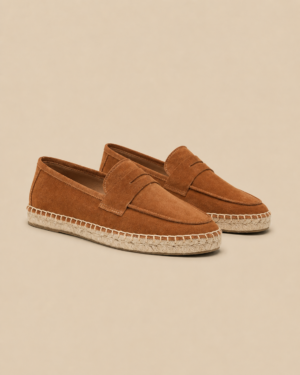
Signature Leather Loafer
$75.00
Order today, delivered between Mon, 11/02 and Thu, 11/05
Real human
support
support
Free shipping
over $50
over $50
30-day
returns
returns
Pairs well with

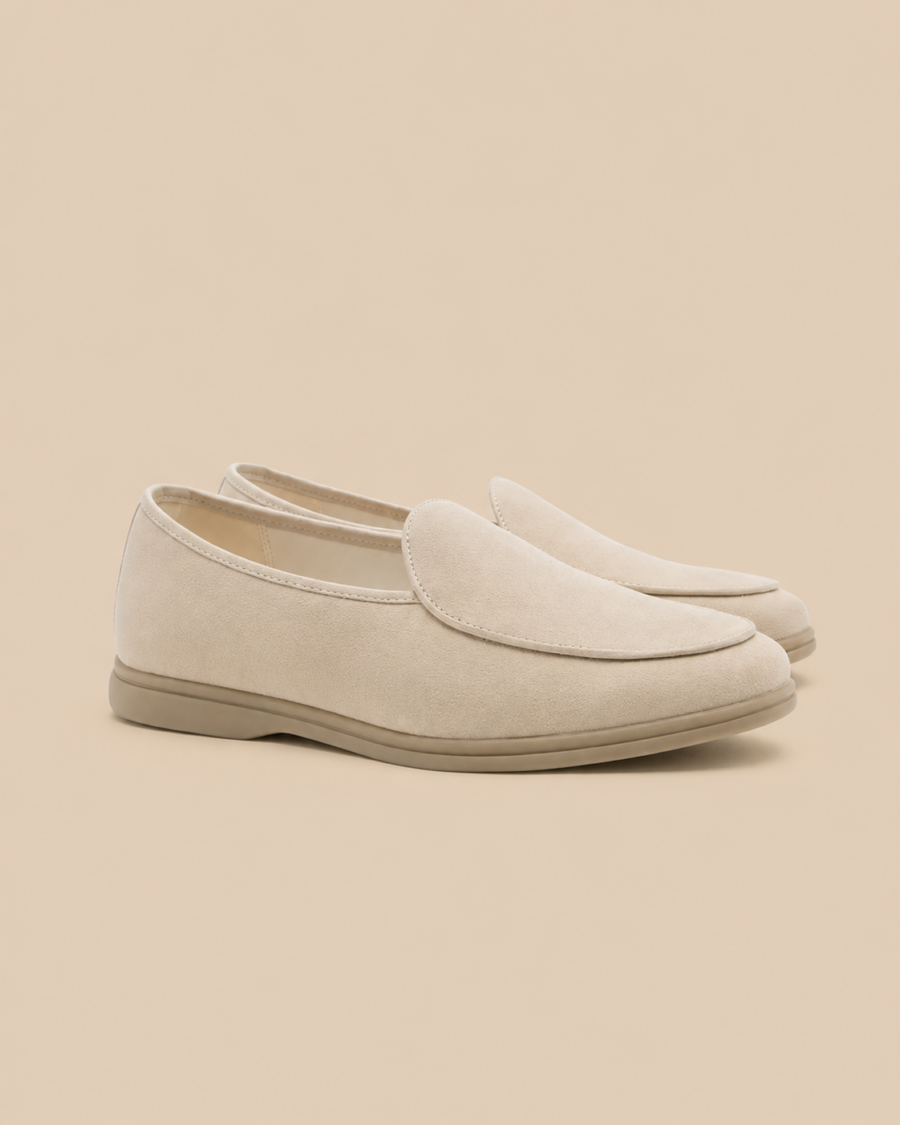
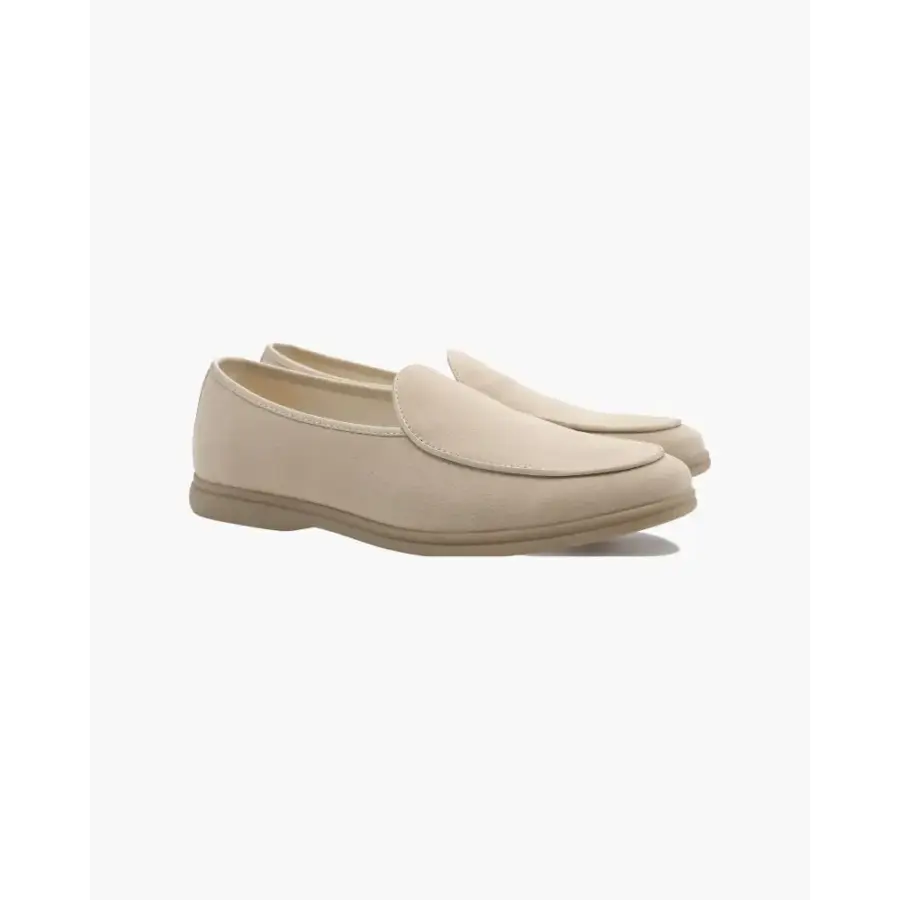
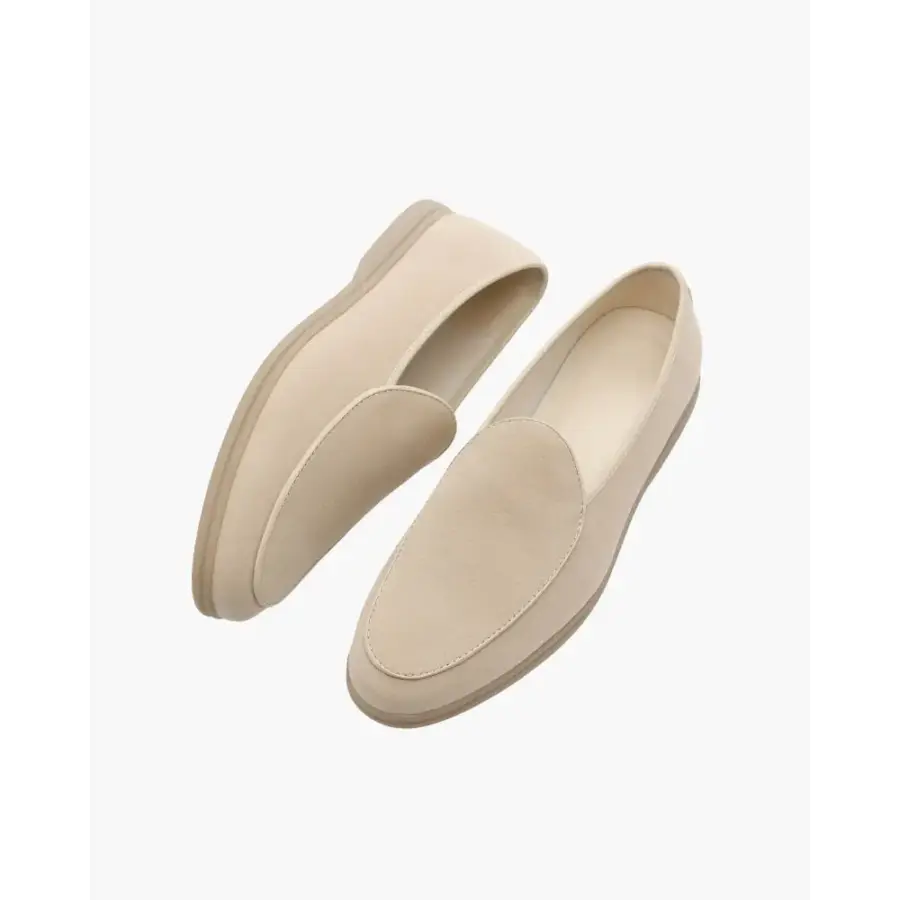
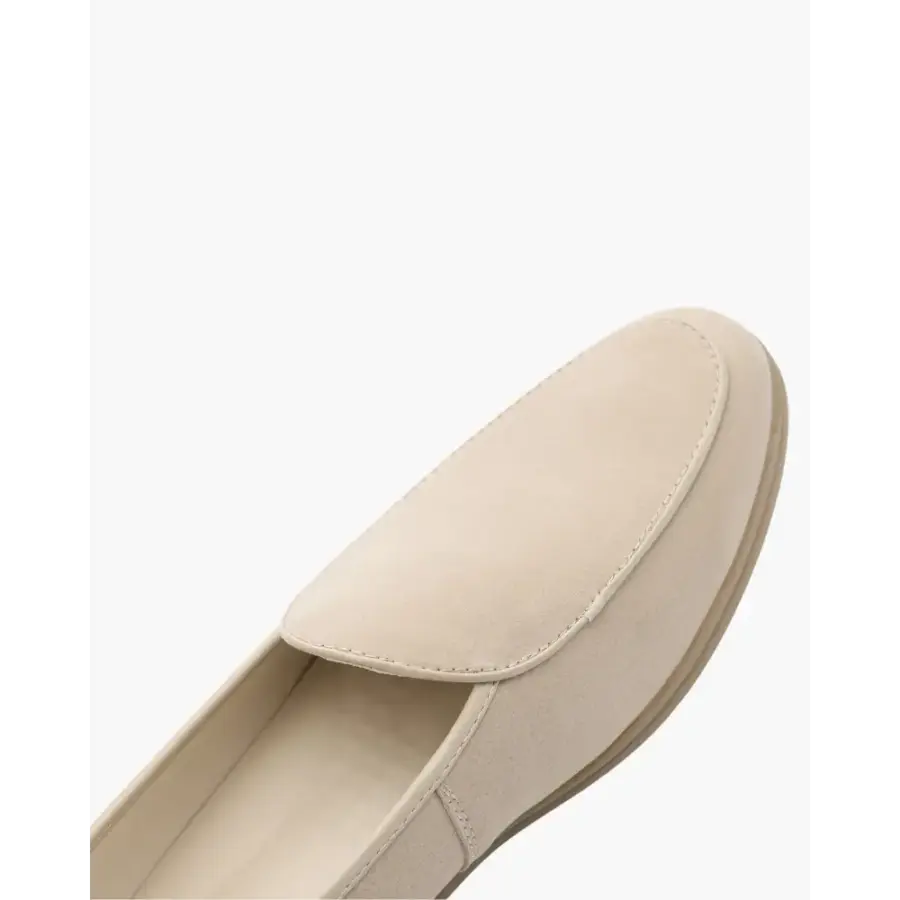
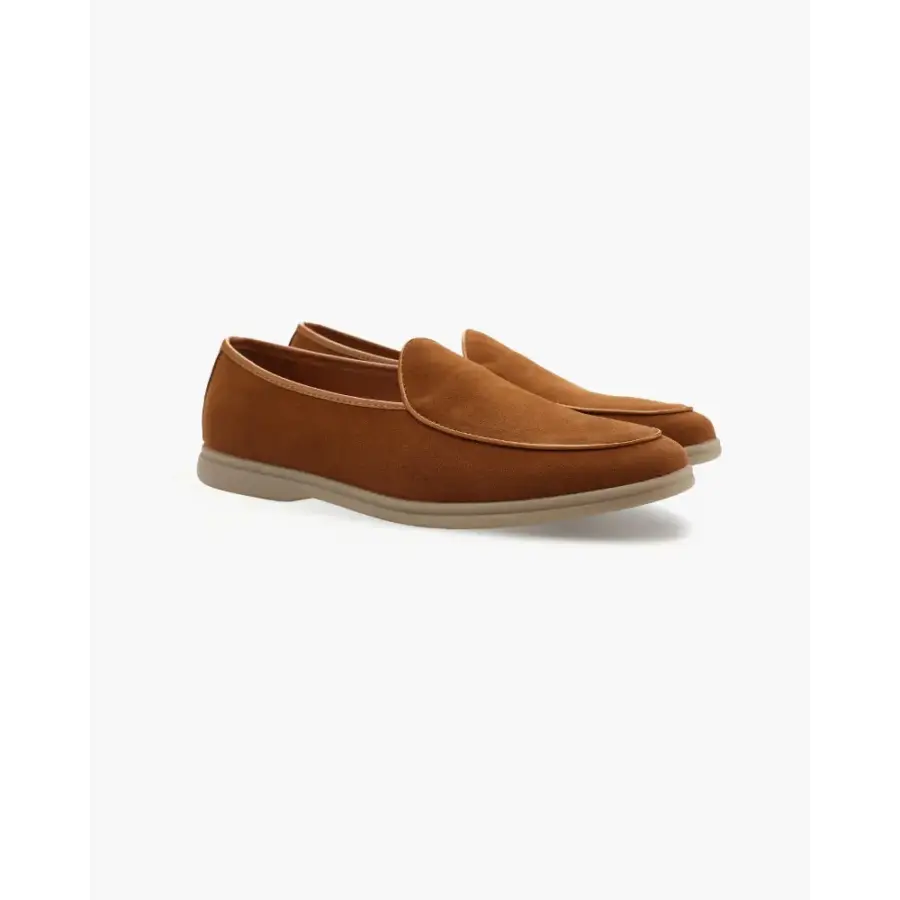
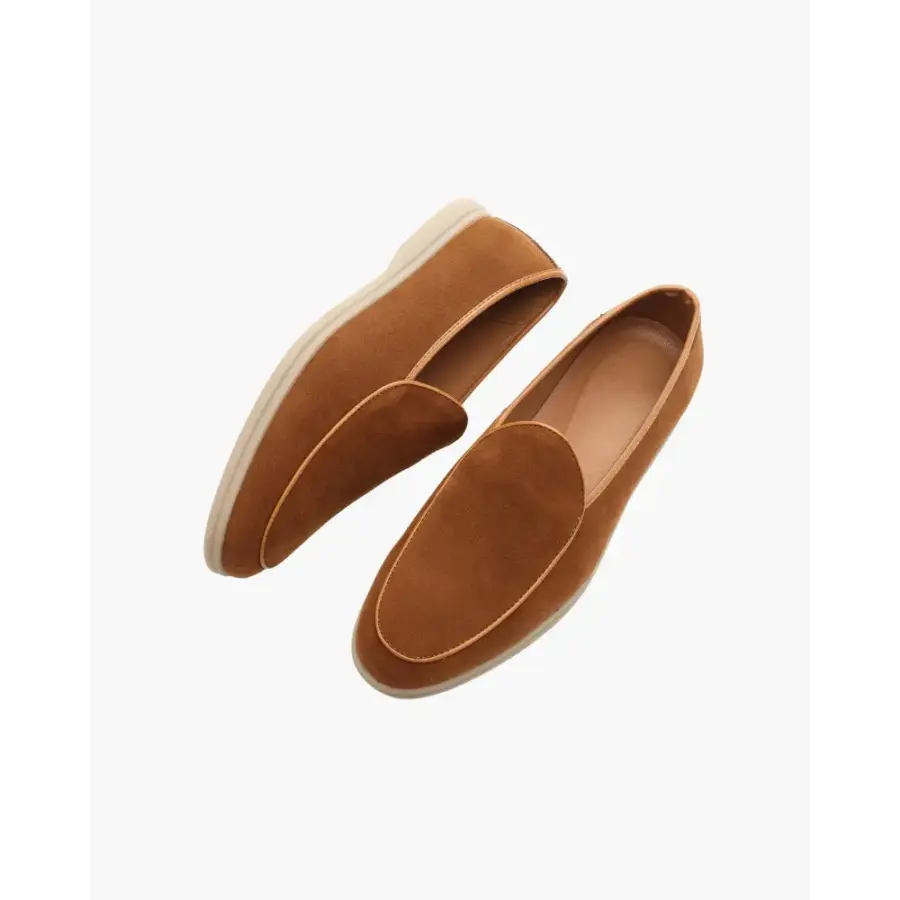
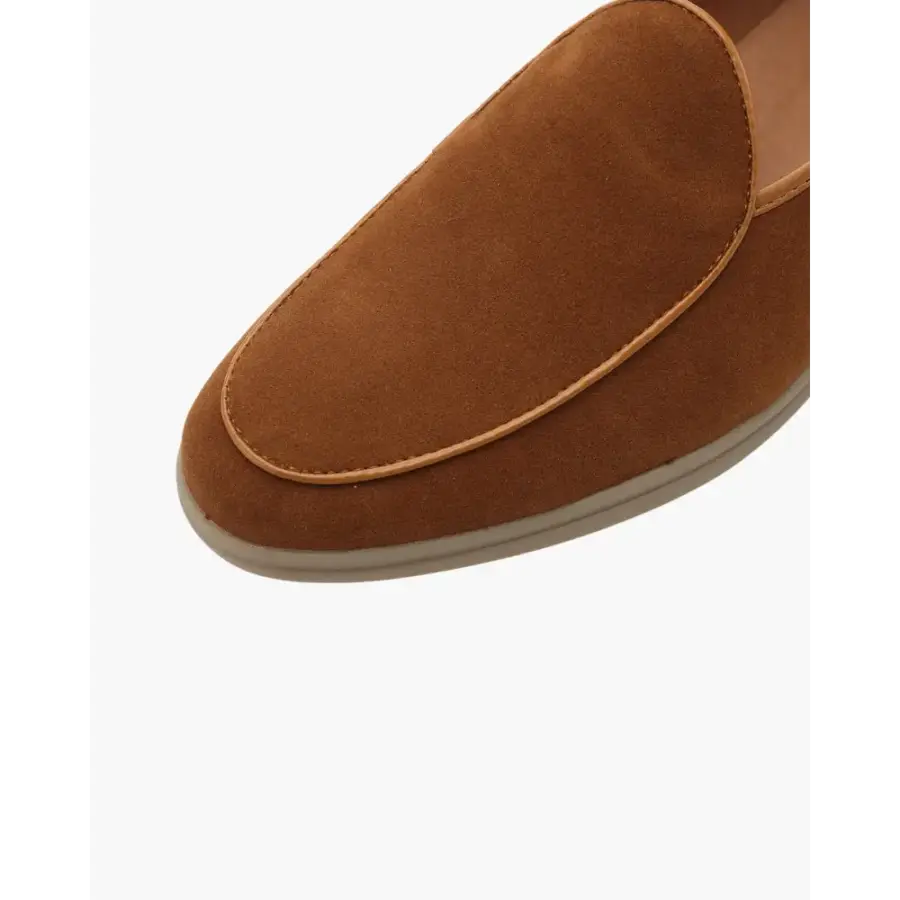
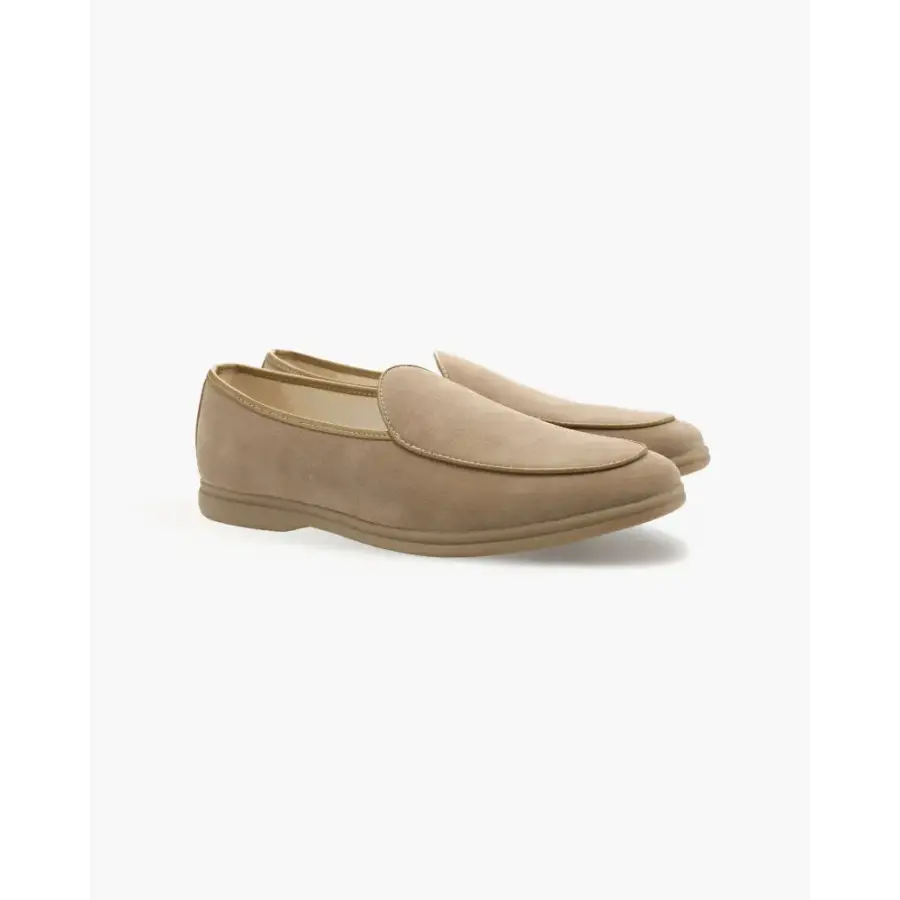
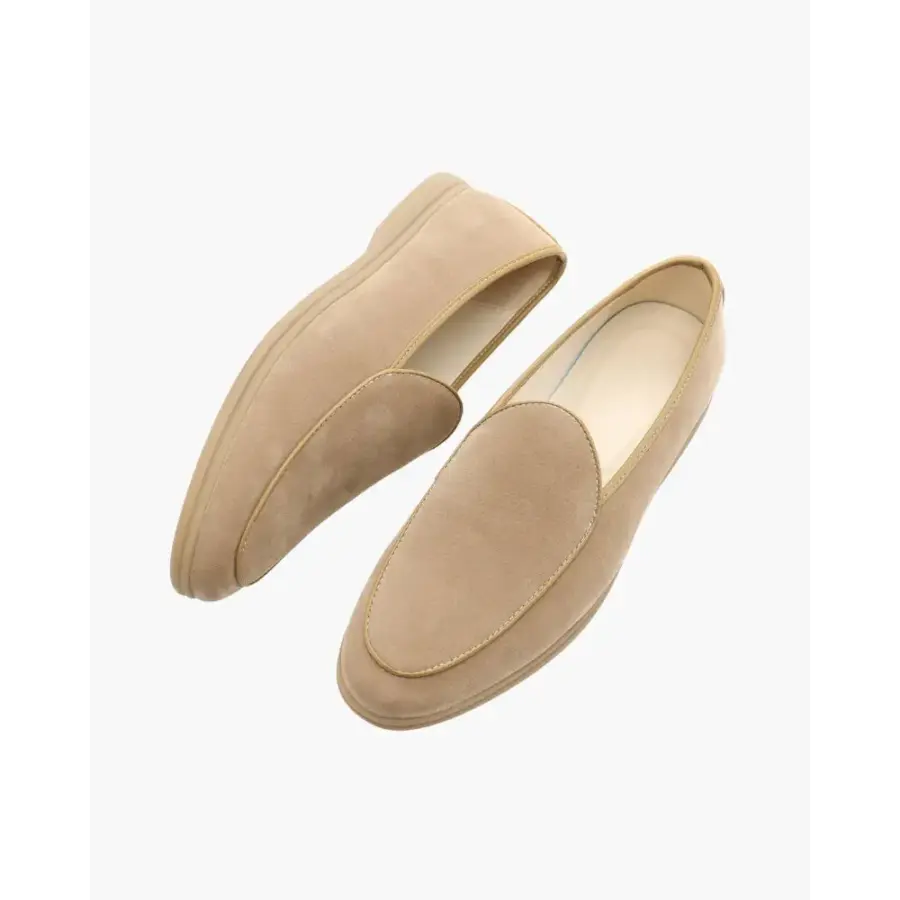
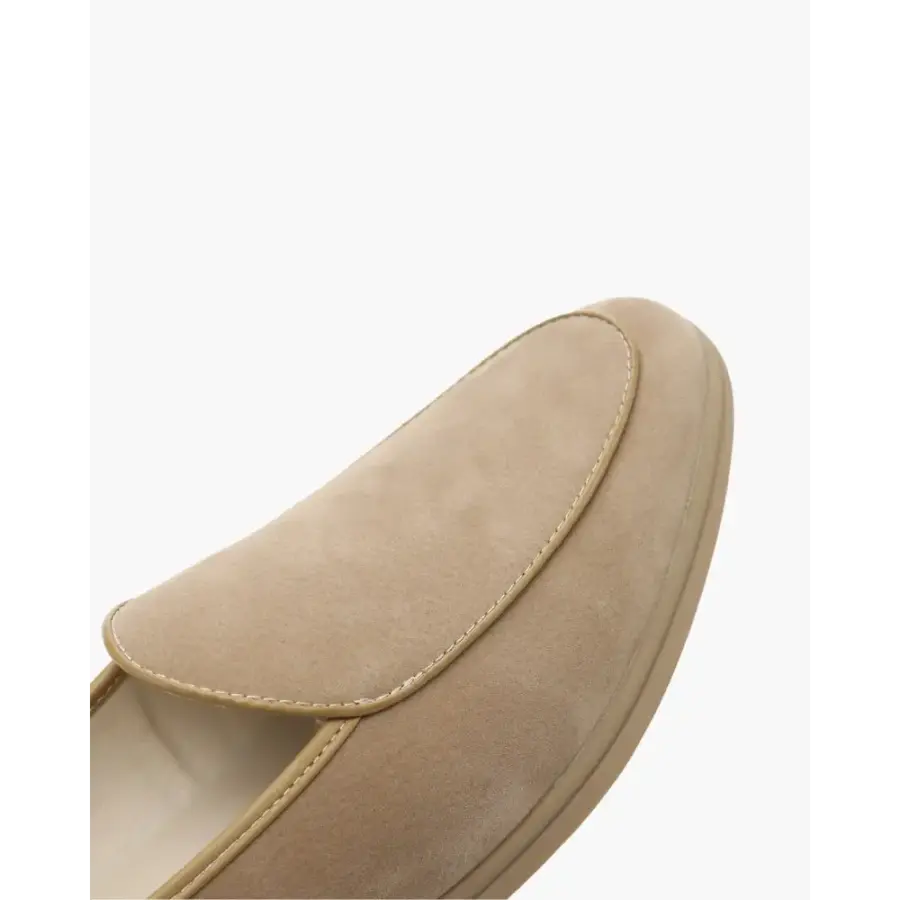
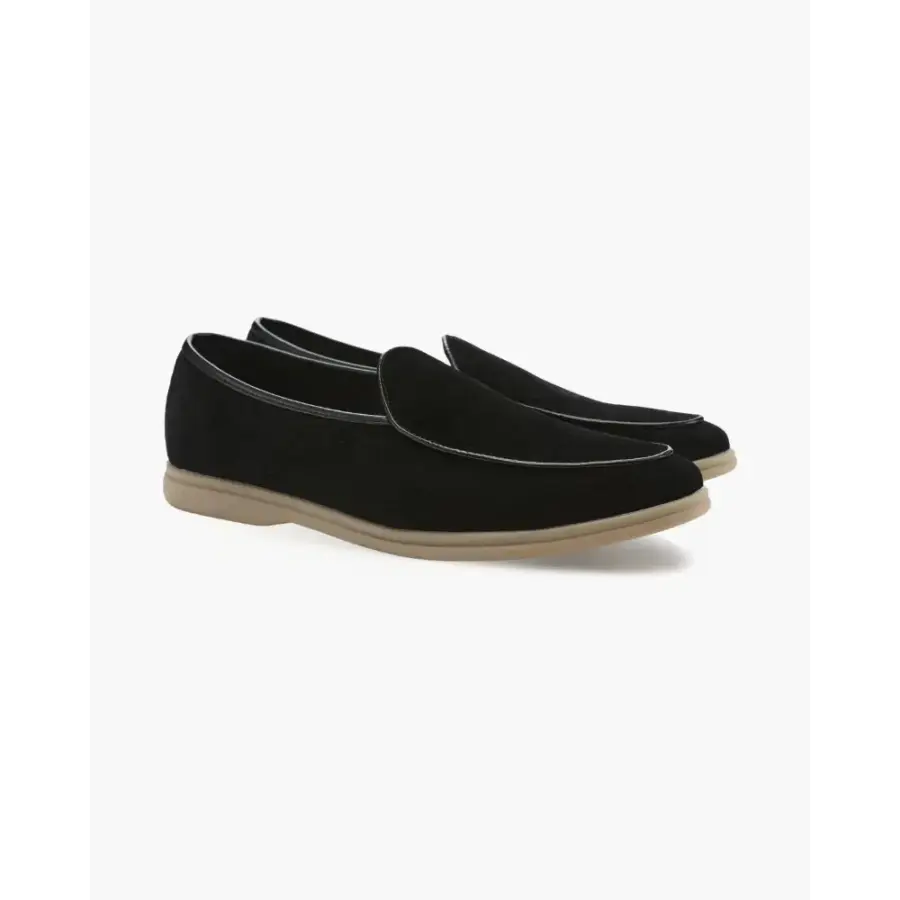
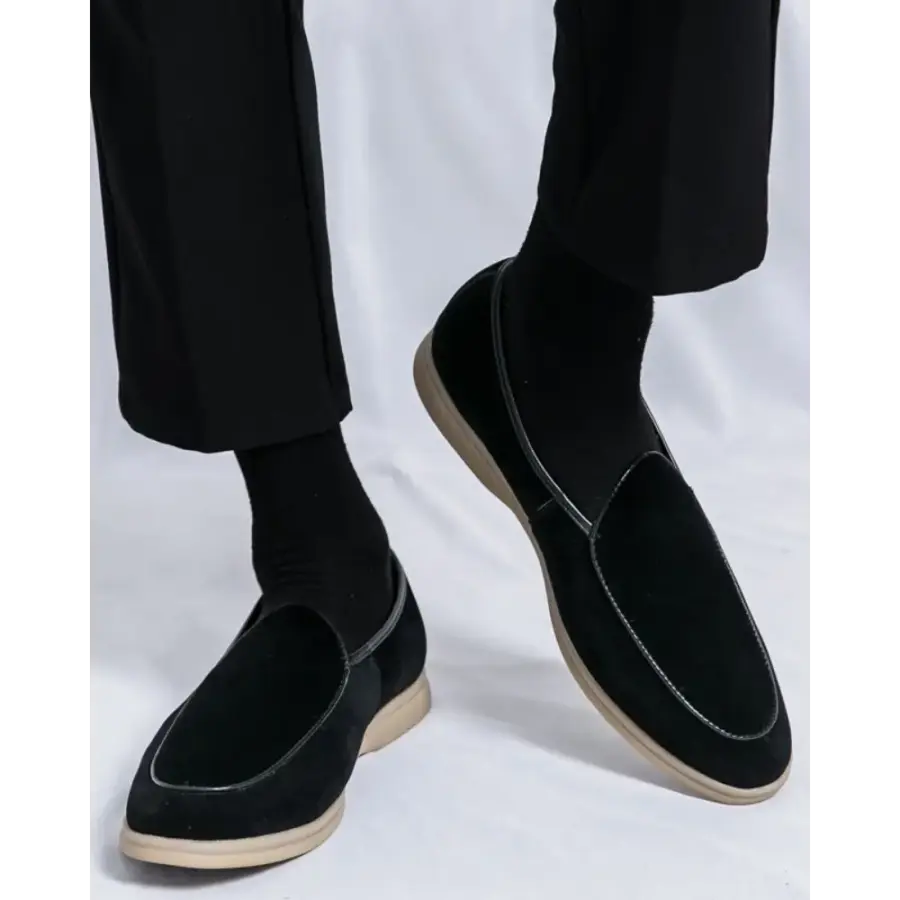
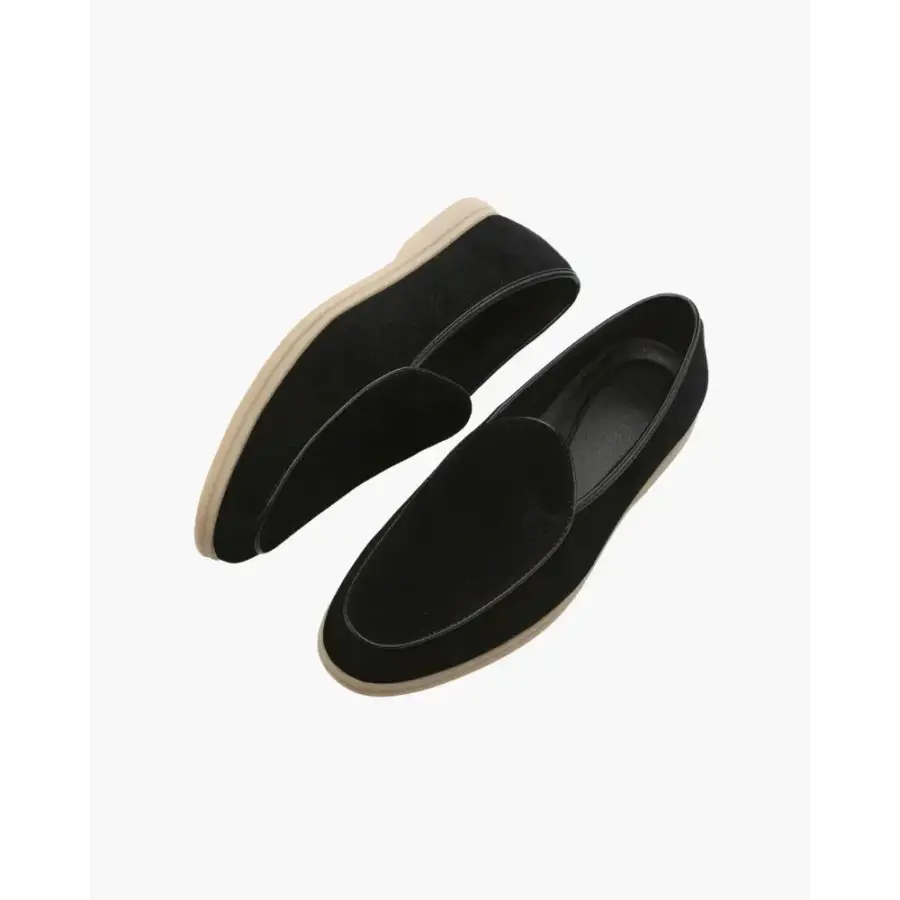
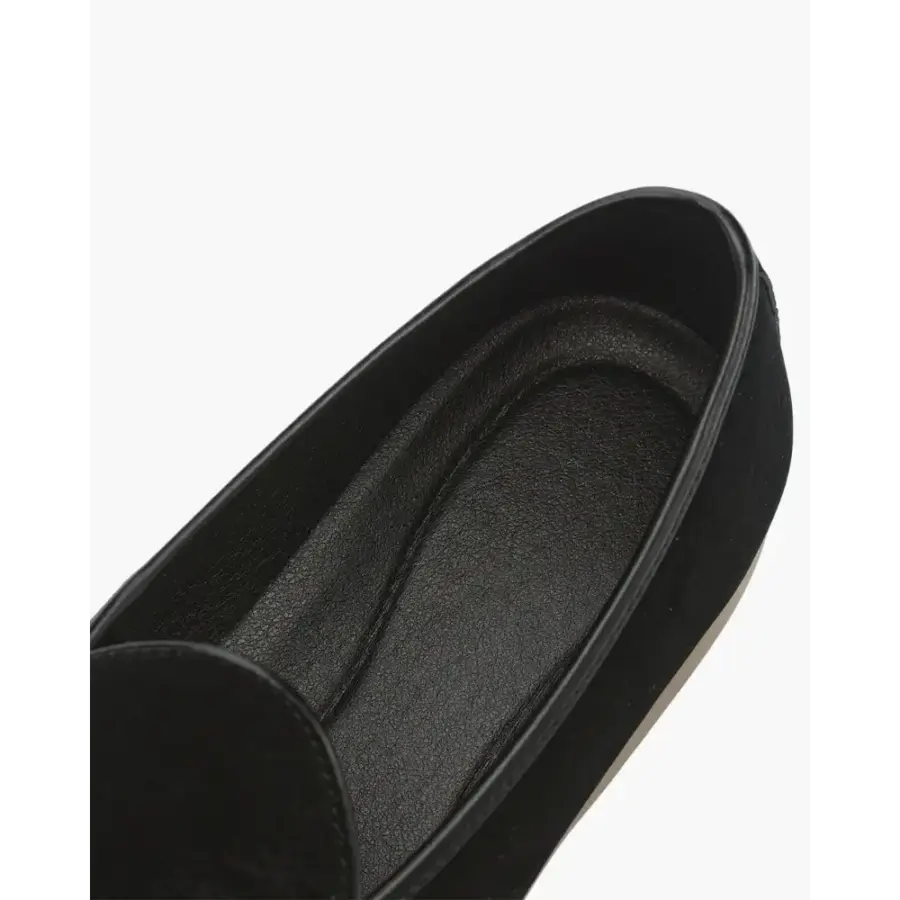
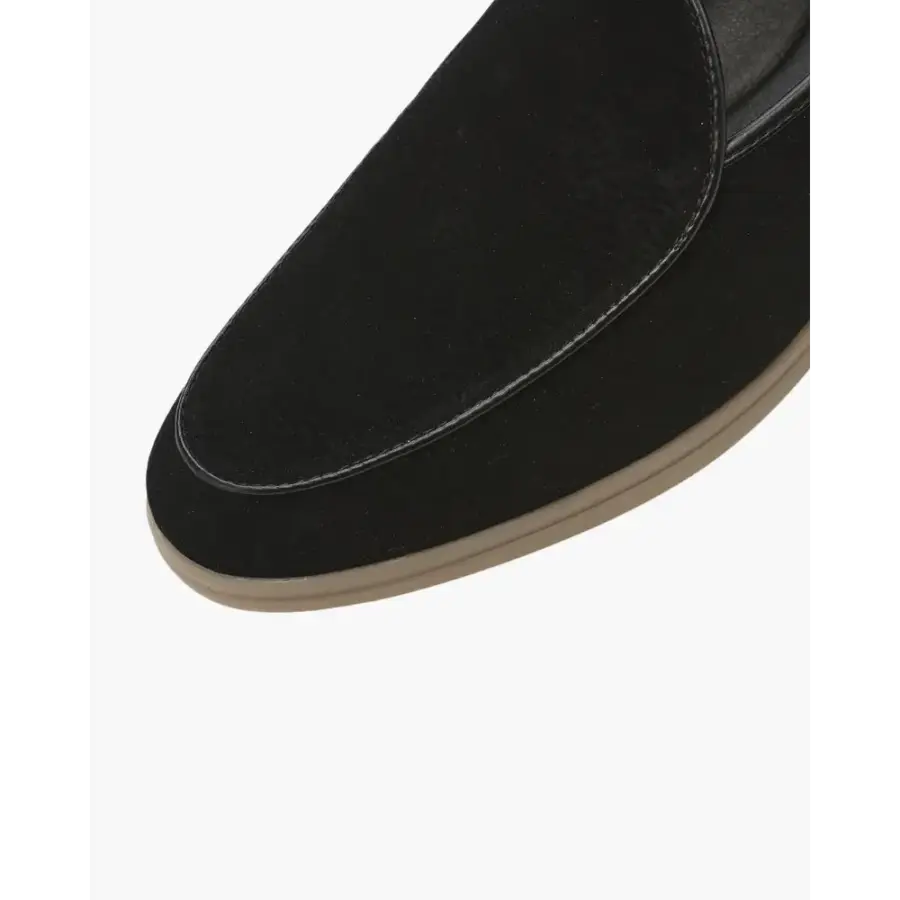
A leather loafer built for the boardroom and the weekend. The Signature Loafer pairs full-grain leather with hand-stitched construction, the kind of shoe that settles into your life and improves with wear.
- Ships worldwide in 5-7 days
- 30-day returns, no questions
- 2-year craftsmanship guarantee
The Signature Loafer began as a study in restraint. We wanted a shoe that didn’t announce itself, one that worked equally well with a wool suit or linen trousers. The full-grain leather comes from a tannery in Tuscany that has been working hides for three generations. They use vegetable tannins, which means the leather develops a patina over time, darkening and softening in the places you wear it most.
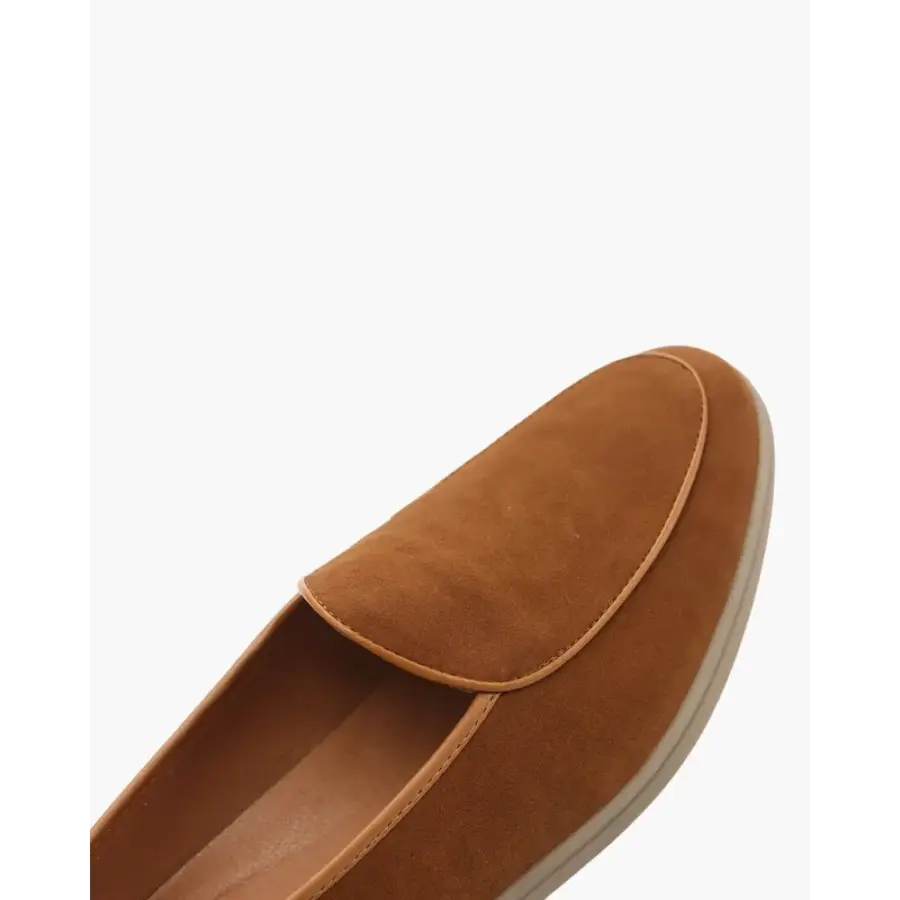
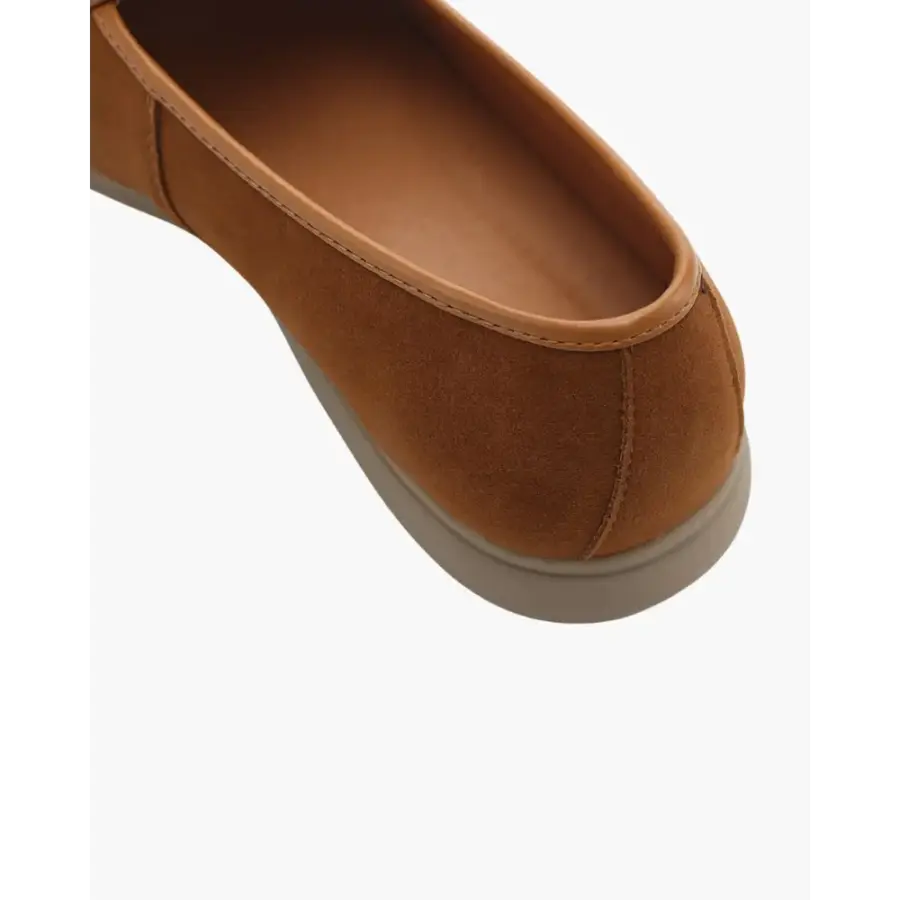
The construction is hand-stitched through the vamp and around the heel. The insole is padded leather, not foam. The sole is leather with a rubber heel reinforcement, because a leather sole alone will wear through in a year of regular use. We’ve seen too many beautiful shoes discarded because the sole gave out. This one won’t.
It’s the kind of shoe that asks for patience. The first few wears will feel stiff. By week three, the leather will have molded to your foot. By month six, you’ll wonder how you ever wore anything else.
Why a leather loafer this well-made earns its place in your rotation
Full-grain leather that ages gracefully
Vegetable-tanned leather darkens with exposure and use, developing character rather than deteriorating. This loafer will look better in three years than it does today.
Hand-stitched construction that holds
Each seam is stitched by hand through the vamp. This isn’t faster than machine work, but it’s stronger. The thread follows the contour of your foot, not a rigid pattern.
Padded leather insole for all-day wear
Foam breaks down. Leather insoles mold to your arch and last as long as the shoe itself. You can replace them if needed, but most owners never do.
Signature leather loafer specifications and materials
| Specification | Detail | |
|---|---|---|
| Sizes available | EU 38 to 46 (US 6 to 13) | |
| Weight per shoe | 450g (approximately) | |
| Primary material | Full-grain leather, vegetable-tanned | |
| Insole | Padded leather | |
| Sole | Leather with rubber heel reinforcement | |
| Origin | Leather from Tuscany, assembled in Portugal | |
| In the box | Loafer (pair), cloth dust bag, care card | |
| Lifespan | 5-10 years with regular care and resoling |
How to place and care for your leather loafer
- Wipe the exterior with a soft, dry cloth after each wear to remove dust and surface dirt. This takes 30 seconds and prevents grit from settling into the leather grain.
- Keep away from direct sunlight and heat sources. Leather can dry and crack if exposed to intense UV or high temperatures for extended periods. A closet shelf is ideal.
- Condition the leather every 6-12 months with a neutral leather conditioner. This keeps the hide supple and slows the formation of creases. Apply sparingly and buff with a clean cloth.
- Rotate between two or three pairs if you wear loafers daily. Leather needs time to dry and recover its shape. Wearing the same pair every day accelerates sole wear and creasing.
- If the sole wears thin (usually after 3-5 years), have it resoled by a cobbler rather than discarding the shoe. A new sole costs 40-60 dollars and extends the life another 3-5 years.
Who chooses a leather loafer like this one
This loafer is made for the person who owns five pairs of shoes, not fifty. Someone who values the feeling of a well-made object and doesn’t mind waiting for it to settle into their life. You wear loafers to the office, to dinner, to weekend errands. You want something that works with both tailored trousers and chinos. You’ve learned that cheap leather feels cheap, and you’re willing to invest in something that will look better in five years than it does today.
It’s not ideal if you need a shoe that’s comfortable immediately. The first two weeks will feel stiff. It’s also not the choice if you rotate shoes daily and don’t have time to let leather recover between wears. And if you live somewhere very humid, you’ll need to be more vigilant about conditioning, as moisture can soften the leather faster.
Buying a leather loafer: common questions answered
How do I know what size to order?
This loafer runs true to European sizing. If you wear a US 10, order EU 43. Leather shoes should fit snugly at the heel and have about a thumb’s width of space at the toe. We offer 30-day returns, so you can order two sizes and return the one that doesn’t fit.
How long does the leather sole last before it needs replacing?
With regular wear (3-4 times per week), the sole will begin to thin after 3-5 years. A cobbler can resole it for 40-60 dollars, which extends the life another 3-5 years. The upper leather will outlast the sole if you care for it properly.
What’s the difference between this loafer and a suede loafer?
Full-grain leather is more durable and develops a patina over time. Suede is softer and more delicate, requiring more frequent brushing and conditioning. This loafer is built for daily wear. Suede is better if you want something that feels softer immediately and don’t mind more maintenance.
Can I wear these loafers in wet weather?
Leather is water-resistant but not waterproof. Light rain is fine. Heavy rain or puddles will soak the leather and can cause staining or warping. If they get wet, stuff them with newspaper to absorb moisture and let them dry at room temperature, away from heat. Avoid the dryer entirely.